Banner

Banner

Friday, May 2, 2014

Book Bombing Christine Amsden's New Cassie Scott Book!

by Stephanie Osborn
http://www.stephanie-osborn.com

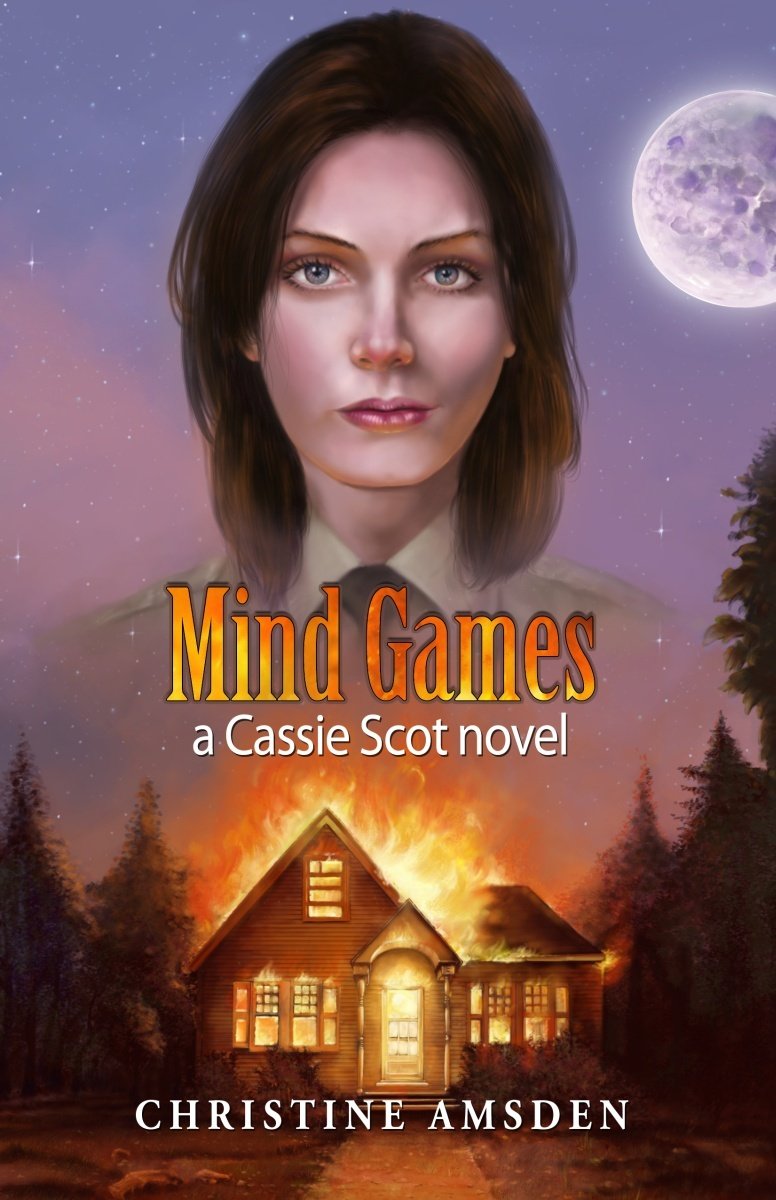
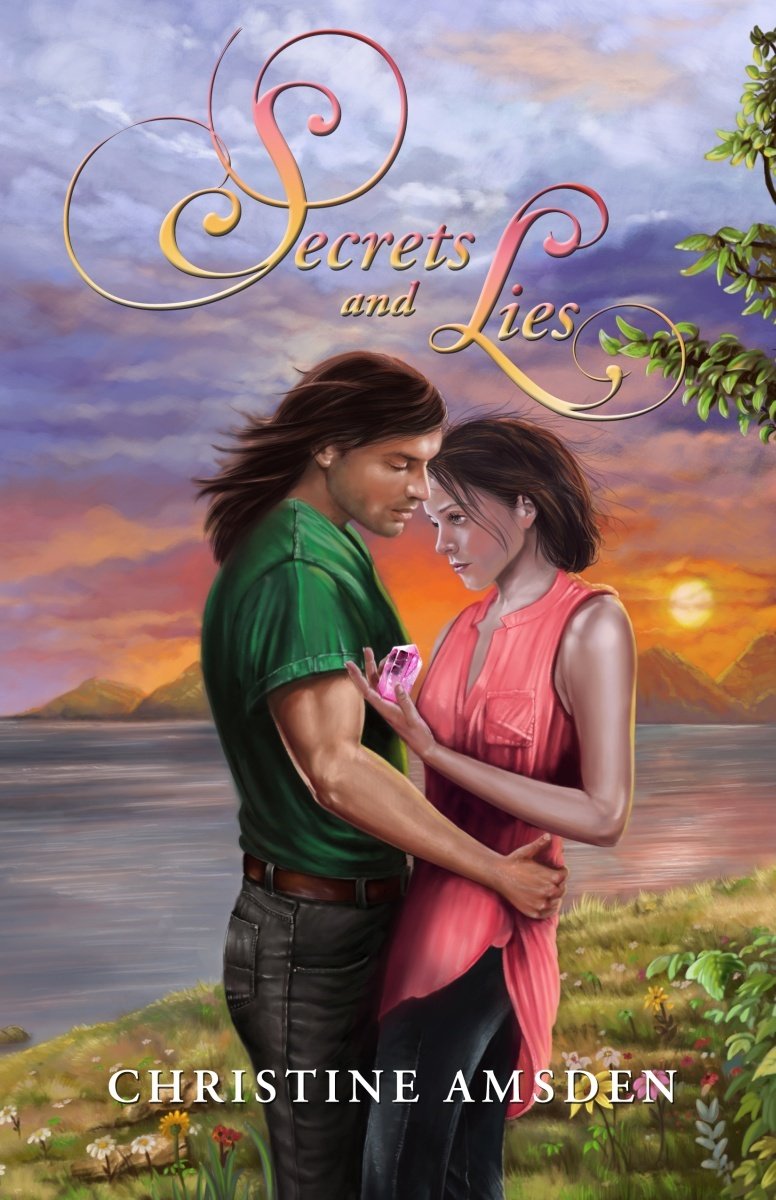
Today we are book-bombing Mind Games, the third book in the Cassie Scot series by Christine Amsden! What is a book bomb, you may ask? A book bomb is when fellow authors show their support for another author by providing free publicity and urging their fans to support that author by purchasing their latest book on Amazon! The idea here is that the sudden spate of purchases pushes the book higher in the rankings, which in turn will cause Amazon to make it more available and appear in their promotions, exposing it to more people, which generates more sales, which pushes it higher in the rankings, causing even more visibility, and on and on. With luck and persistence, it can become a continuous feedback loop, taking the author into the realm of best-sellers!

Christine Amsden is a fellow author at Twilight Times Books, and her new book is being released today, a fine day for a bomb! Christine has been writing fantasy and science fiction for as long as she can remember. She loves to write and it is her dream that others will be inspired by this love and by her stories. Speculative fiction is fun, magical, and imaginative but great speculative fiction is about real people defining themselves through extraordinary situations. Christine writes primarily about people and relationships, and it is in this way that she strives to make science fiction and fantasy meaningful for everyone.

Now let's hear from Christine!
~~~

The Science of Mind Magic
by Christine Amsden


The trouble with mind magic is: How do you know if someone's controlling you?
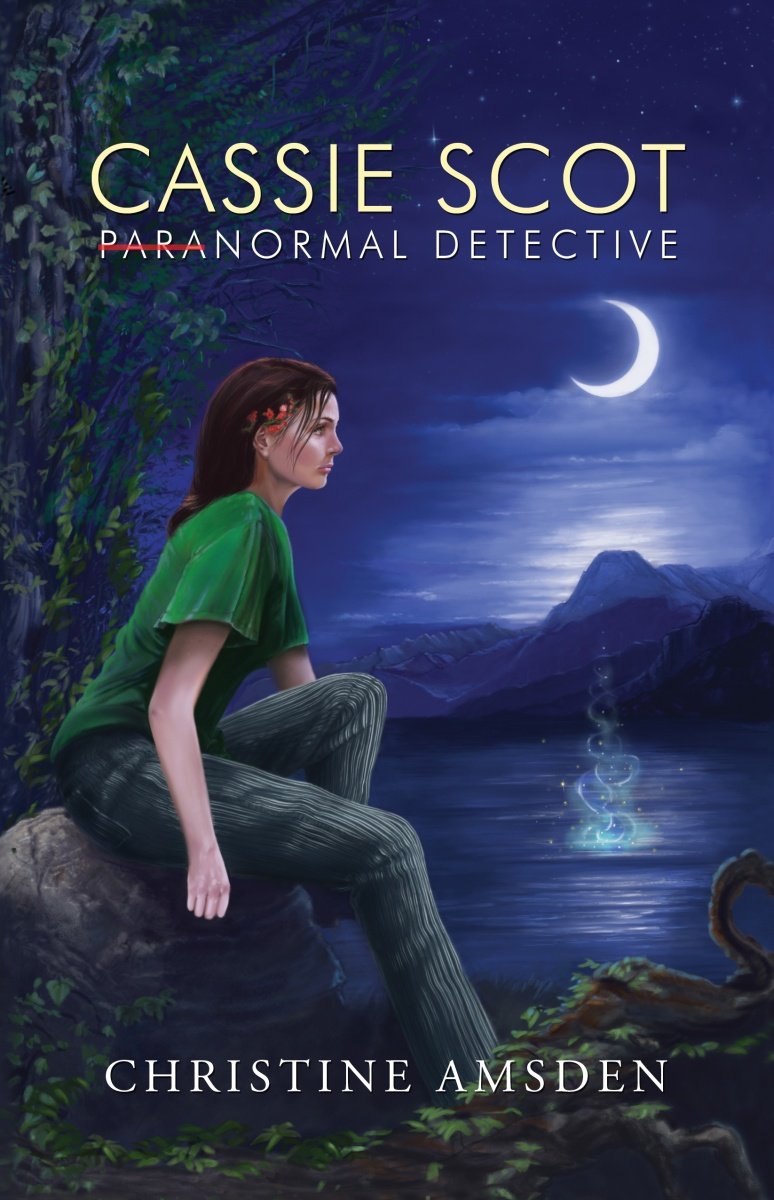

You could drive yourself crazy wondering if your thoughts are your own or the product of someone else's superior will. In the world of magic, there is something inherently sinister about the idea that one person can mess with someone else's thoughts, feelings, and desires. This is a theme I've been building from the first book in this series, Cassie Scot: ParaNormal Detective, when Edward Scot says:

“Magic itself is never black, only the uses to which it is put, but mind magic is already tinted a deep, dark gray.”


Matthew Blair, a telepathic mind mage who takes center stage in Mind Games (Cassie Scot #3), disagrees. His response to this statement is:

“Any kind of power is already tinted a deep, dark gray. Haven’t you ever heard that power corrupts?”


Of course Matthew would say that. He's a mind mage and he's actively trying to manipulate our heroine, but as with all skilled manipulators he understands the power of truth and subtlety.

Mind control is not a uniquely magical phenomenon. People try to influence us wherever we go in subtle and overt ways. When you go to the store, the packaging of the products you browse screams at you, “Pick me! Pick me!” Retailers know how to use product placement to maximum affect (as every mother who has ever taken children through a candy-filled checkout knows). Advertisers bombard you with messages that work on your mind even when you don't know it. Drug companies fill the airwaves these days with medicine most of us don't need at any given moment, but they know you'll remember when the time is right.


There are people in the real world who possess charisma – a trait I've lent a quasi-magical aspect to in my series. But you know what I mean. Some people just exude charm and grace and a little bit of “trust me.” Trendsetters. Natural leaders. Born politicians. Shapers of men and of the minds of men (and women). These people fill our minds with thoughts we embrace as our own, sometimes without our even realizing we have done so.

Before you ask – no, I'm not one of those people. I could wish, but in person I tend to be a little bit
awkward. I'm much better at expressing myself through the written word.


One of the pointless (circular) existential questions I sometimes like to ask myself is: What do I fervently believe that is simply not true? And since I am so certain of this truth, why would I ever seek to correct that impression? I don't consider myself to be a close-minded person (who does?) but I can only be open-minded when I am aware of a possible discrepancy. I must see that something in the world is inconsistent with my core beliefs. I have to get caught in a lie.


Getting back to the world of magical mind control, I often see authors going to extreme lengths when it comes to mind magic. Direct, obvious controls that the hero is just strong-willed enough to throw off because he or she has a superior... spirit? Intellect? Force of will? A little bit of all those things, I suppose.


In this story, I wanted to show how hard it would be for even a strong-willed individual to throw off competently woven mind magic. This isn't about strength at all, but skill. Matthew Blair tells Cassie
in chapter one that he is a telepath and “hears” everything she thinks. He says this to her because he senses that Cassie will be drawn to the truth, and drawn to the genuine sense of alienation he feels because of his power. Cassie has always been drawn to help people in need. Matthew knows this about her, and he uses it against her.


To beat Matthew, Cassie will have to learn things about herself that make her stronger. She is going to have to face certain truths that she has been running from for two books.


Ultimately, she has to figure out that it's happening. How can you change your mind if you don't know it needs changing?


If that's too heavy for you, feel free to enjoy this book as a fun magical mystery.


Would you want to be a telepath? Why? [Please feel free to discuss this in the comments section! ~~Steph]

~~~

The second Cassie Scot book, by the way, is Secrets and Lies.

An additional tidbit of information about Christine Amsden that never fails to impress me is this: At the age of 16, Christine was diagnosed with Stargardt’s Disease, a condition that effects the retina and causes a loss of central vision. She is now legally blind, but has not let this slow her down or get in the way of her dreams.

I cannot imagine being able to write while being legally blind! Christine is an amazing woman, a fantastic writer, and I'm proud to call her colleague and friend.

-Stephanie Osborn
http://www.stephanie-osborn.com

Wednesday, April 30, 2014

Elements of Modern Storytelling: Romance, A Guest Blog by Sara Stamey

by Stephanie Osborn
http://www.stephanie-osborn.com


Sara Stamey is a new friend! Word has been getting around in certain parts of the writing community about this blog series, and Sara was one of those who stepped up to the plate and said she wanted to be involved! So you and I will be getting to know her together, through her articles on the art of storytelling. From what I can tell, I think she may be a lot like me!

Enjoy!


~~~

Sara:


  Thanks, Stephanie, for the opportunity to explore approaches to incorporating romance into stories that span all genres – and thanks to the authors of the fascinating excursions already posted.
My own novels tend to cross genres, including mainstream, science fiction, fantasy, mystery/suspense, and thriller plots, but they all include romantic subplots. As other writers in this series have noted, where would the human interest lie without relationship tangles? A lot of those tangles involve romantic attraction and/or consummation. Where I depart from Romance as a genre is that the love/sex relationship is not my main plot, but rather interwoven into other urgent story issues.  It’s another thread of tension to pull readers along – will the lovers get together despite challenges? Maybe because of my style or themes, I usually avoid a “tied up in a bow” neat ending to the romance – more gray areas and ambiguity about where this relationship might go. Because, well, that’s life!
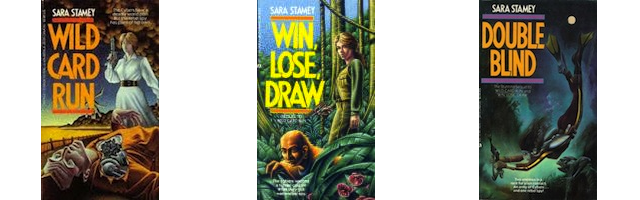
I’ll illustrate my approach by starting with my early science fiction series from Ace/Berkley, the first novel Wild Card Run. The main plot concerns a rebellious game-designer from a restrictive home planet who is challenging the control of humanity by the Cybers, an artificial-intelligence network. (I published this back in the 1980s, and I’m actually listed in some databases as one of the first “Cyberpunk” authors along with William Gibson and others, which tickles me.) Anyway, my heroine Ruth Kurtis is forced to return to her family farm and polyandrous culture (women have multiple husbands), where she has to resist her attraction to her mother’s newest husband, a young man the daughter’s age. This underlying romantic tension helps drive the main plot of her rebellion against the Cybers, and also contributes to one of the themes of the novel, examining the impact of new technologies on human values. And of course, it never hurts to raise issues of social taboos, and the loyalty and betrayal connected with forbidden love –  perennials in storytelling.
The next two novels in the series, Win, Lose, Draw and Double Blind, explore ramifications of nontraditional romantic possibilities – sexual love between different humanoid races, and between human and machine – which seems to be a hot topic today, with the film “Her.” These elements serve to advance my larger plot speculations about the difficulty of defining humanity and identity, which again are timeless themes keeping writers and readers busy over the past centuries.
My recent novels are more mainstream, but again melding genre elements. Islands, romantic
suspense with a psychic tinge, is my closest approach to a romance formula, but again the romantic relationship has a lot of ambiguity and is not central to the mystery/suspense plot. Set in the Caribbean, where I taught scuba years ago, it concerns a young archeologist who arrives on a tropic island to research petroglyphs and solve of the mystery of her brother’s drowning on a sunken treasure ship. The romance angle concerns her chief suspect, whom she investigates while being reluctantly drawn to him despite warnings about the danger she’s courting with this volatile war veteran. The sparks fly between them, but the sexual relationship isn’t thrown in just for heat – it functions to provide clues and red herrings, as well as challenging a lot of preconceptions my heroine carries about the nature of truth and right and wrong, contributing to a larger Faustian theme. How far will she push to learn “the truth”? What happens when you get too deep a glimpse into the “dark side”? Can love help redeem you?

My upcoming metaphysical thriller The Ariadne Connection weaves together three perspectives on a near-future crisis concerning a geomagnetic reversal and a New Leprosy plague. My three main characters become entangled in various romantic subplots, from a tension-filled love triangle, to transgendered love, to traditional heterosexual love with reservations and spiritual dimensions. The main thriller plot is the focus of the novel – a young Greek scientist is christened “Saint Ariadne” when she discovers she can heal the New Leprosy by “laying on hands.” Various dangerous factions pursue her for their own agendas, and the three main characters are mostly occupied with evading pursuit while Ariadne learns to control her growing powers, which have the capability to destroy as well as heal. Love and sex under conditions of extreme uncertainty and stress are opportunities to explore dimensions of the characters, particularly Ariadne, who must weigh eternal questions: Does the end justify the means? Should you use people who love you in the service of a higher goal? Is the focus on a mission strengthened or weakened by allowing intimacy with a partner?  Do we lose ourselves when we give too much to another person? Does the joy of loving outweigh inevitable pain and loss?
I guess it’s obvious that I’m fascinated by the nuances of human behavior, the way our desires color our notions of “truth” and “good versus evil,” and I love to throw characters into stressful situations that test their mettle.  Love is always a big challenge to throw in the path of a character’s goals, as that tug of irrational attraction can really toss in a wild card. Will the relationship strengthen or weaken our characters? What will they learn about themselves that we can share? I hope my stories entertain as well as involve my readers in these enduring explorations.

Author bio:
Sara Stamey’s extended travels in out-of-the-way corners of the globe include treasure hunting and teaching scuba in the Caribbean and Honduras, operating a nuclear reactor, and owning a farm in Southern Chile. Now resettled in her native Northwest Washington, she teaches creative writing at Western Washington University and offers editing services as a “book doctor.” She shares her Squalicum Creek backyard with wild critters and her cats, dog, and very tall husband Thor.
Her romantic suspense novel Islands is described by reviewers as “an intellectual thriller” and "a superior suspense novel….a stomping vivid ride.” A new eBook edition will be released by Book View CafĂ© on May 6.


~~~

Yep, I had a feeling I was gonna like this lady.

Be sure to check out her books, folks! They're worth looking into!

And we'll have her back soon to tell us about her upcoming book release!

-Stephanie Osborn
http://www.stephanie-osborn.com

Wednesday, April 23, 2014

Elements of Modern Storytelling: Romance, A Guest Blog by Herika R. Raymer

by Stephanie Osborn
http://www.stephanie-osborn.com
Today's guest is Herika Raymer. Herika is a very talented writer of short stories and comes by it naturally -- her father is the gifted H. David Blalock. She is also an excellent editor. She, her father, and I are all members of Imagicopter, an arts group specializing in printed media (writing, art, etc.) who help promote each other, schedule group booksignings, etc.

Interestingly, she follows along quite well in the footsteps of our previous two guest bloggers in discussing the history of romance in literature -- and how originally "romance" did NOT equate to "love story," but rather to "fantastical tale."


~~~


Herika:


"Where does ROMANCE fit as an element of modern storytelling?"

Romance has been a part of storytelling since The Beginning.

Yet, what is 'romance'? If you look it up, it begins as fanciful tales in Medieval times, mostly associated with chivalry and the heroic exploits of knights. These romances began as adventure stories. Mainly, romance dealt with stories that "lack basis in fact" or were "emotional" according to the dictionaries -- and most people would say that love is the most illogical aspect of life there is. It cannot be measured, it cannot be explained; it simply is the state of being when one individual cares for another more than they do for themselves. Platonic, familial, or romantic -- each form of love exists and is shown in behavior. So, remarkable and fanciful tales were woven around acts supposedly declared as motivated by love, and thus romance and love became synonymous.

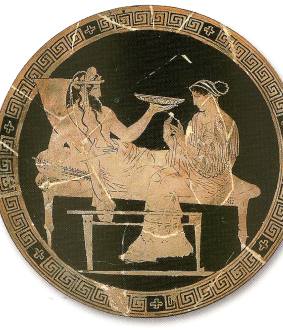
In most instances romance was presented as an attraction between two people in defiance of tradition or culture, such as the tragic tales of Romeo and Juliet, as well as Paris and Helen of Troy. To counteract this destructive image, enter the heroic tales of devotion unending, such as the retelling of Aragorn and Arwen from Lord Of The Rings and Odysseus and Penelope of The Odyssey. Yet the sweet telling of adoration and companionship, as shown in the stories of Sam and Rose from The Hobbit or Ellie and Carl from Up, should not be overlooked. Nor the surprisingly loyal relationships despite what could be considered non-traditional arrangements, as shown in the exploits of the lovable Mike Callahan and his delectable Lady Sally McGee in Spider Robinson's tales, or the incredible pairing of F'lar and Lessa on Pern, or even the arrangement between Hades and Persephone [Greek mythology]. Finally, romance is also affection unrequited, as with Lancelot and Elaine of Corbenic [Arthurian legend] as well as Mary Callahan Fin and Jake Stonebender [also Spider Robinson]. Their attraction was more than lust, more than desire; it was a yearning to be together despite the odds. To share a lifetime together, and a presentation of a loathing to see their lives without the other individual. Each of these couples, despite flaws, showed a willingness to join their lives, share joy, brave adversity, celebrate successes, endure hardship, offer comfort, work through problems, and, most of all, to remain loyal to their partners. Granted no relationship is perfect, but the fact these couples were determined to honor their commitment is remarkable.

So what place does romance, a concept originally meant as adventure and later came to envelop the fanciful aspect of love, have in modern storytelling? Simple: it provides motivation. Much as it did in religious, Medieval, pioneer, Victorian, and previous eras' storytelling.

Though -- and this is just my opinion -- is it possible that romance is giving way once more to lust and obsession? Perhaps it is just me, but the stories of Zeus and the other Olympian gods spiriting around "taking" women and fathering bastard children was not romantic, it was infuriating; and the same holds true for the goddesses seducing men. These are not tales of romance but conquests, of a satiation of primal lust and obsession. These have their place, naturally -- it gave the children the motivation they needed to become either heroes or villains in their own rights. However, it seems to me that more and more stories are reverting more to, "Hey, let's get it on," rather than, "Stay with me."

That would be my question -- what part does LUST fit as an element in modern storytelling?

Romance has been expanded to mean to court or woo; in other words, to endeavor to gain the favor of a person. It is an effort, a discovering of what appeals to the other party and trying to find some common ground to relate on. Granted, certain stalkers take this too far, and that is where it becomes obsessive (Candace from "Phineas and Ferb," anyone?).

Lust is primal: seeing someone desirable, obtaining what you want from them -- usually physical -- and then going on your merry way to the next target. Often it can even be presented as a game, not just between men or women, but men and women. Take the movie Dangerous Liaisons for example; a bet between a man and a woman that led to disastrous consequences. I cannot see the romance in that. To be truthful, I often blame "romance stories" for this. To be more specific, I blame their language. I recall when Harlequin romances, though not very accurate in their depiction of history or even interactions between men and women, at least used alluring language to appeal to the visual senses. I recently read some modern romance and was, well, appalled at the crudity of the language. Crass language, almost painful depictions of interpersonal relations, and just a general disrespect for the atmosphere that took away from any "romantic" essence there might have been. Perhaps that is just me being old-fashioned, but I just could not see anything particularly alluring in reading those words. If anything, it made me cringe. Still, I guess it had its place. After all, even in the old tales lust was the beginning of many stories.

So both have their place in modern storytelling. Where romance is most likely more relationship-oriented, and lust more physical, both have their places in the tales that result in their presence. They provide a way to relate to the characters, to either cheer for their accomplishments or dread their triumphs. To return to the original aspect, romance gave a personal touch. It helps breathe life into the characters, helps the reader understand what is seen in the object of affection, and perhaps even follow why the character is acting the way they are.

Romance makes the character a possible mirror of who the reader is, because surely there is a bit of romance in all of us.

To quote Melinda S. Reynolds:
As far as modern story telling goes, you can have a story without romance; but you can’t have romance without a story. It doesn’t have to be the main driving force, but it does help to put the characters into perspective for the readers and understand basic motives and drives. Lust is the opposite of love. Lust is selfish, love is selfless. Lust is neither romance or love; it gives nothing and takes all.
~~~

Excellently said; I find I am in complete agreement with the use of romance as a means of allowing the reader to relate to the characters.

-Stephanie Osborn
http://www.stephanie-osborn.com

Wednesday, April 16, 2014

Elements of Modern Storytelling: Romance, A Guest Blog by K. E. Kimbriel

by Stephanie Osborn
http://www.stephanie-osborn.com

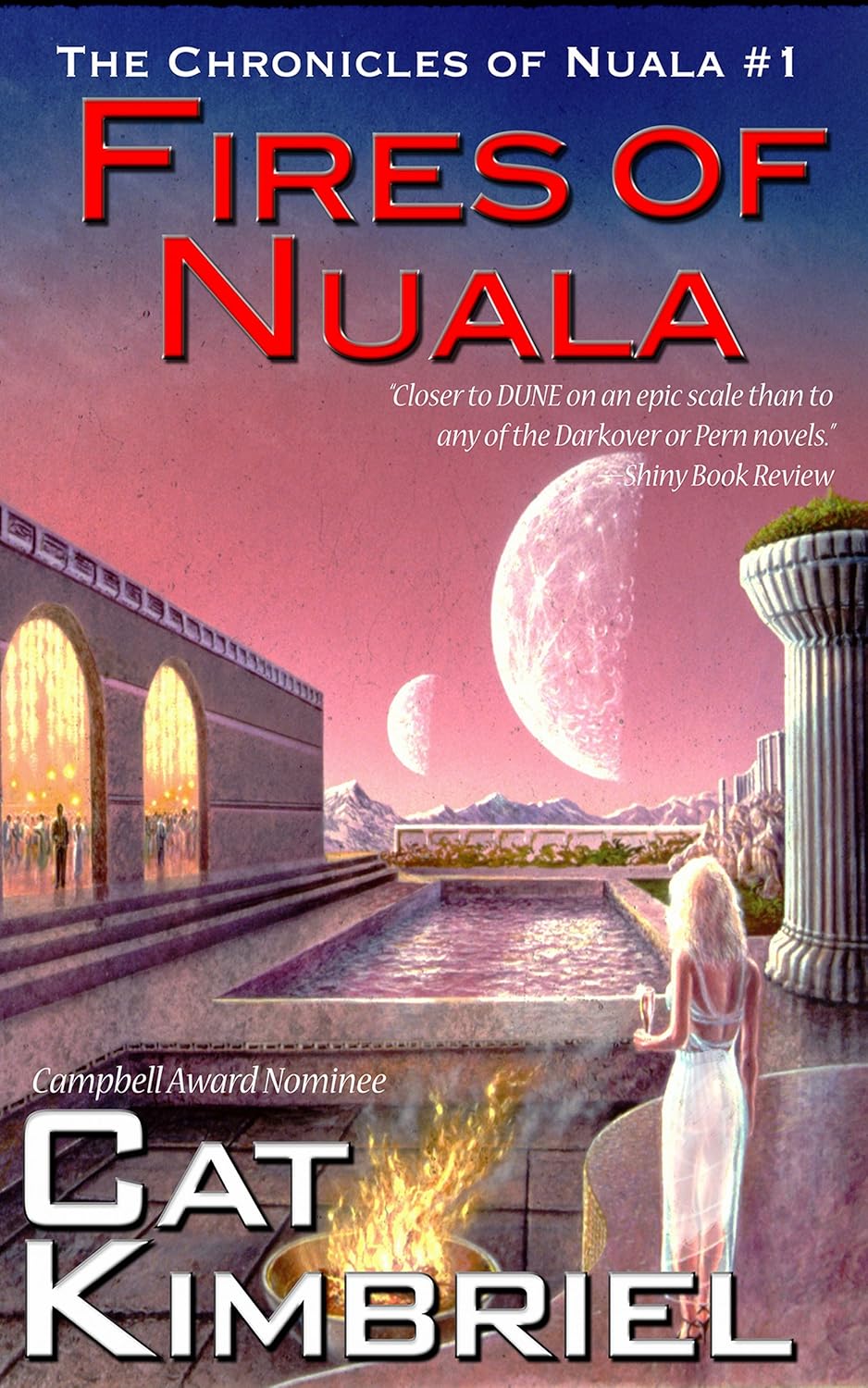
Katharine (K.E.) Kimbriel was introduced to me by last week's guest blogger, Barb Caffrey. Author of the Chronicles of Nuala (available through Book View Cafe) and more, Katharine is an experienced, talented writer. 


~~~


"Where does ROMANCE fit as an element of modern storytelling?"

Stephanie Osborn asked this question, and my immediate thought was “as a subtle puzzle piece.”  I know that is not the usual response to the question.  Half the fiction books published in this country every year by major New York publishers are romances, in almost every flavor you can imagine.  (That is, if by flavor you are imagining one woman and one man who end up in a HEA--Happily Ever After--or, more recently, HFN--Happy For Now--relationship.  Everything else slides in from the shadows, makes a surprise appearance, or even has a small independent publishing line somewhere else.)

Where does romance spring from?  I’m not asking in a technical sense, or a scientific sense.  We know that chemistry and biology triggers the first flush of attraction, and we can research to find out where the modern Western concept of romance began.  I always think of it as starting with Jane Austen—a woman choosing to reject offered security for the hope of at least liking and respecting her partner.  That she ended up with a man whom she also loved, who was solvent enough to support her and their children, was a bonus.  For most women, having it all was a fantasy, but a lovely dream.  We can go back further, into legend—but most of those famous lovers did not end well.

Thinking about it now, I wonder if romance novels were simply a woman’s first reach for respect and mutual affection in a relationship—to regain the ancient courtesies between the sexes, the respect for each sex’s wisdom and knowledge that still lingers in some tribal cultures.  The current tribal forms may not be at all what modern women want in relationships.  But in the past few hundreds of years in Western culture, women were mostly shut out of commerce and expected to make the home (and that was big doings before the Modern Era of electricity and convenience foods.)  All they could hope for was a marriage where their intelligence and personality was respected.  Marriage was often a financial transaction, or a melding of two families’ talents and assets.  Respect, humor, liking the person you were going to share a life with—those were traits to be desired.  Romance was the dessert, the last thing you wanted but could only dream of, because so many failed to get it.

Then more people began to marry for love—for better or worse.  But did they understand each other?  I think women learned to understand their men, to try and keep a home their husbands wanted to return to, a refuge for their men.  But too often the men had no clue what was going on in the heads of the women.

A thesis was once written proposing that women read romances—pure romance, not the newer stories escalating in sexuality—because it is a story where a man becomes obsessed with a woman and is spending all his free time trying to figure out how to understand her, please her, win her.  I suspect that the root of romance lies in understanding The Other—the other sex.  Or if they do not completely understand the other person, they still unconditionally accept them.

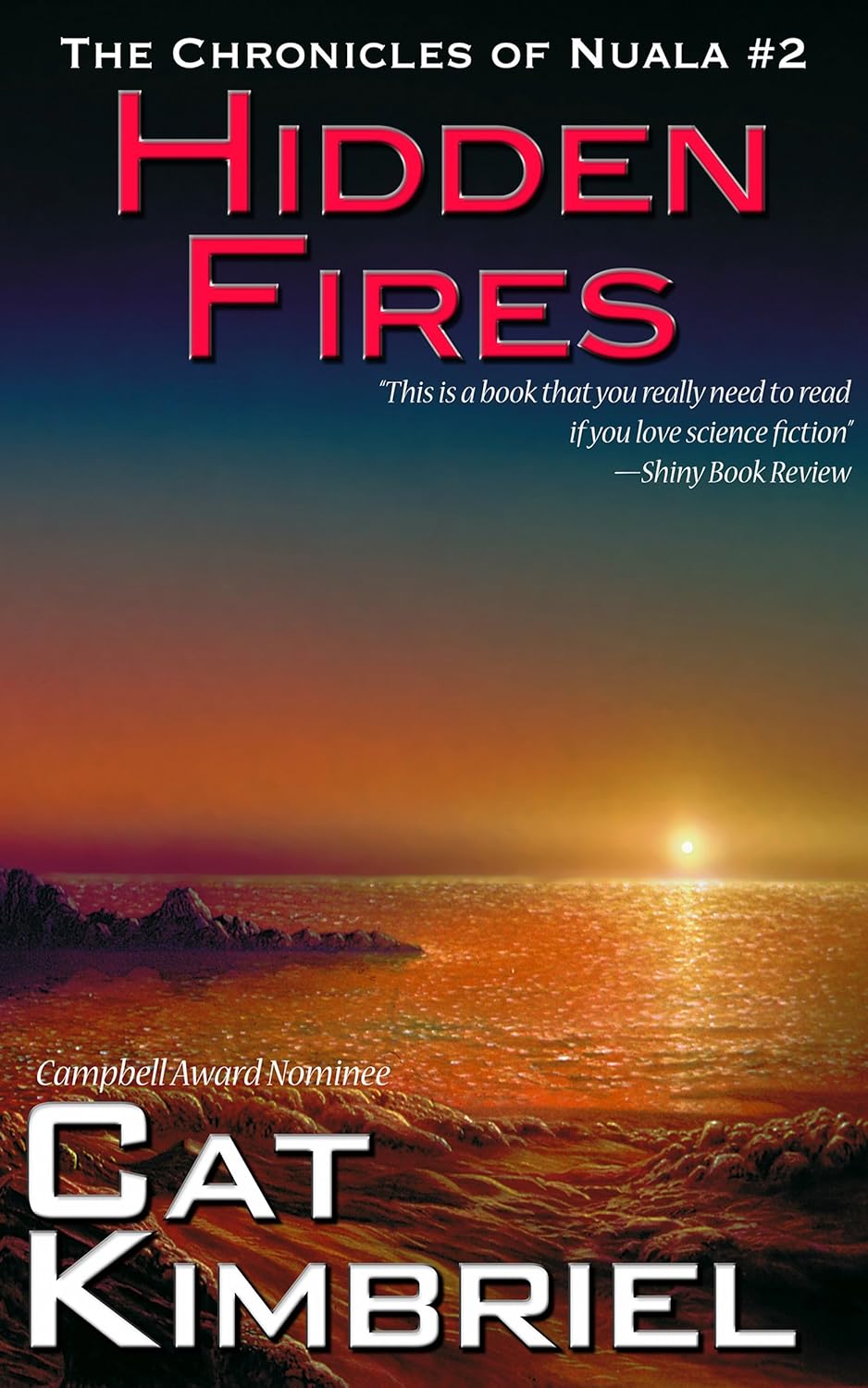
I don’t write pure romance, I write fantasy, science fiction, and mystery.  I am interested in putting people into unusual or challenging situations and watching them work their way back out to their new life.  But there is always a romantic thread in my stories, because whether people plan on it or not, romance happens.  Sometimes one of two people thinks, “hummm…” and starts working at it, like my young would-be rebels in Hidden Fires.  Sometimes two people look at each other simultaneously and think “Why did I never notice this person in this way?”  as the protagonists of my short story “Feather of the Phoenix” do.  And sometimes people are working together, surviving together, laughing together, and along the way they realize that something new is growing between them, even as they are saving their corner of the universe, as in Fires of Nuala.


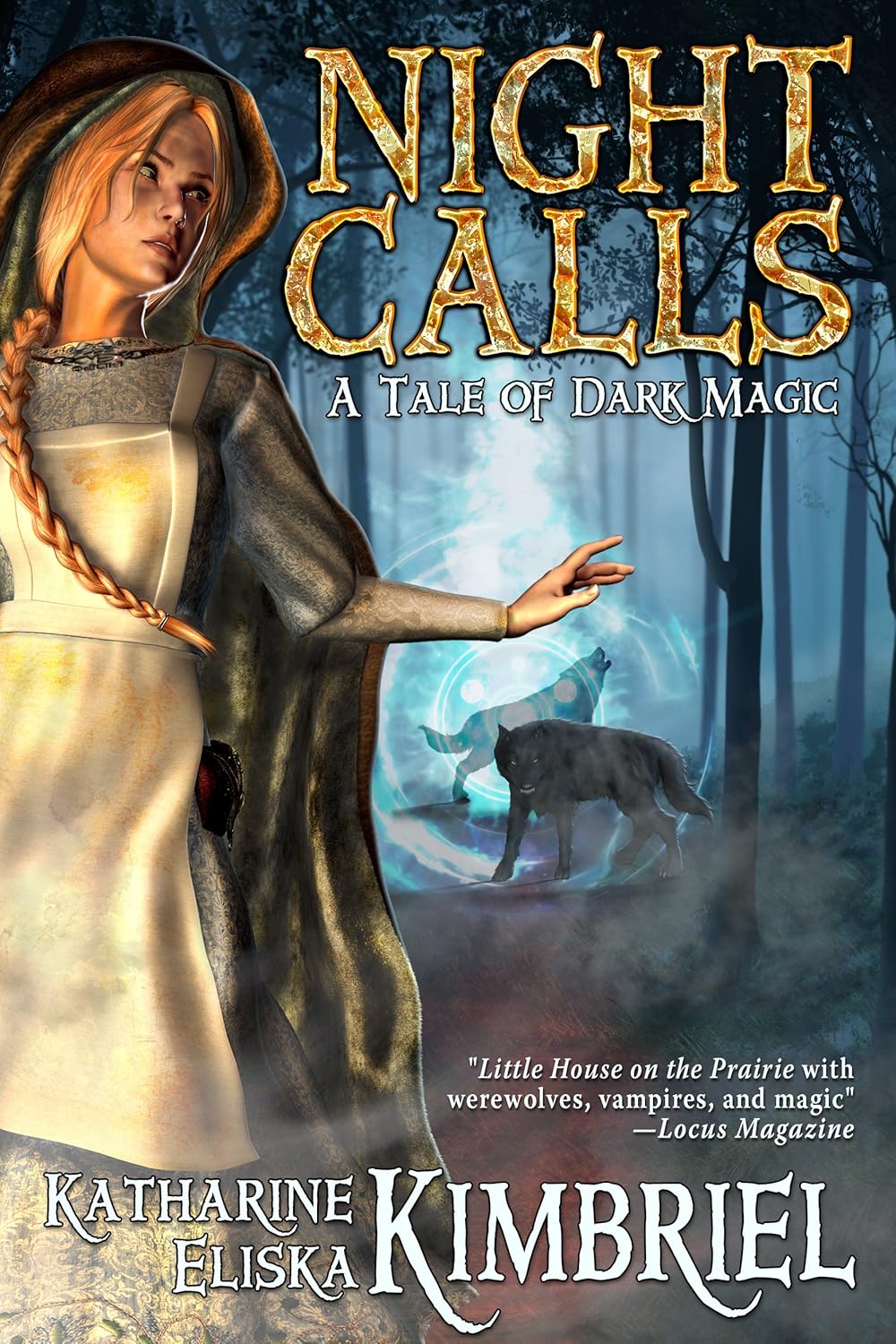
Sometimes there are challenges to the relationship, or temptations.  Some fans want to see Alfreda and Shaw from my Night Calls series finally make a match of it.  Shaw and Allie are only young teens, and they have skills that demand training—they aren’t the kind of people who will fall willy-nilly in love.  But if they awaken to it, after challenges, and others who attempt to lure them in other directions (for if they are both worth winning, they are worth winning by others) then they will fight the world to stay together.


But getting there can be subtle—until the moment it is everything.  I think I write romantic subplots for those of us who position ourselves in things we love in life, and hope to be surprised by love.  Just like in a romance!

~~~

Well said, Katharine! Romance can fit well and surprisingly easily into almost any genre, because in real life, it just...happens.

-Stephanie Osborn
http://www.stephanie-osborn.com

Tuesday, April 15, 2014

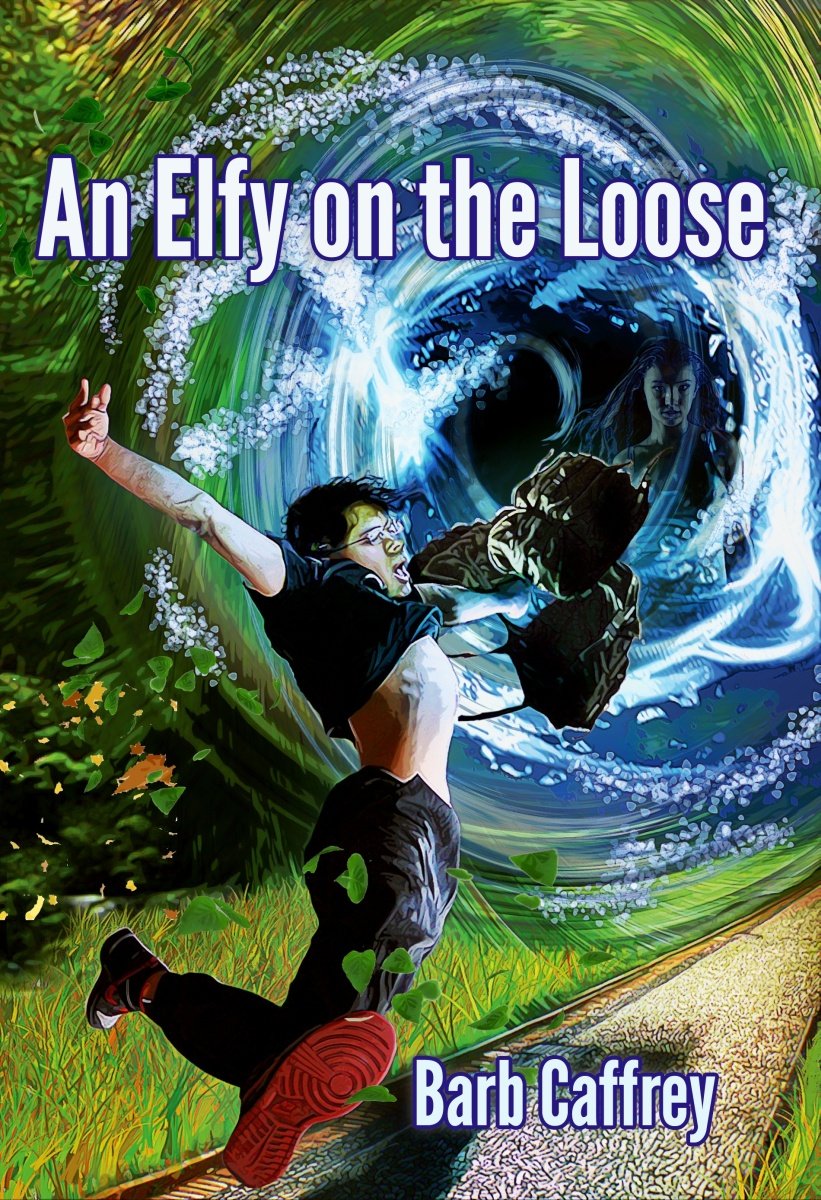
Book Release: An Elfy on the Loose, by Barb Caffrey!

by Stephanie Osborn
http://www.stephanie-osborn.com

Today is the official release date (and book bomb) for Barb Caffrey's new novel, An Elfy on the Loose! Barb is something of my protege, and when I read the original manuscript (which became An Elfy on the Loose and its sequel), I knew we had to get this into print. So I paid it forward; just as Travis Taylor helped me get published by submitting to publishers he knew, so I did for Barb. And here we are today, and I'm almost as proud as she is! I'm going to quote the review I posted at Amazon, and every word of it is truth:

This book has almost everything: fantasy, mystery, romance, suspense, thriller, paranormal, you name it -- and that sounds like it would be a hodgepodge, doesn't it? But it isn't. Everything flows together beautifully, leaving a fascinating story that will keep you on the edge of your seat! I highly recommend it, and since I don't usually write book reviews, that's saying a good bit!

What I didn't know was how Barb came to write the book in the first place, so I asked her to tell me in her guest blog for today!

~~~
"On the Writing of AN ELFY ON THE LOOSE"
by Barb Caffrey


To discuss how I wrote AN ELFY ON THE LOOSE – much less why I wrote it in the first place – I need to discuss the most important person who's ever been in my life: My [late] husband, Michael B. Caffrey. Because without him, AN ELFY ON THE LOOSE – much less the entirety of the Elfyverse – would not exist.
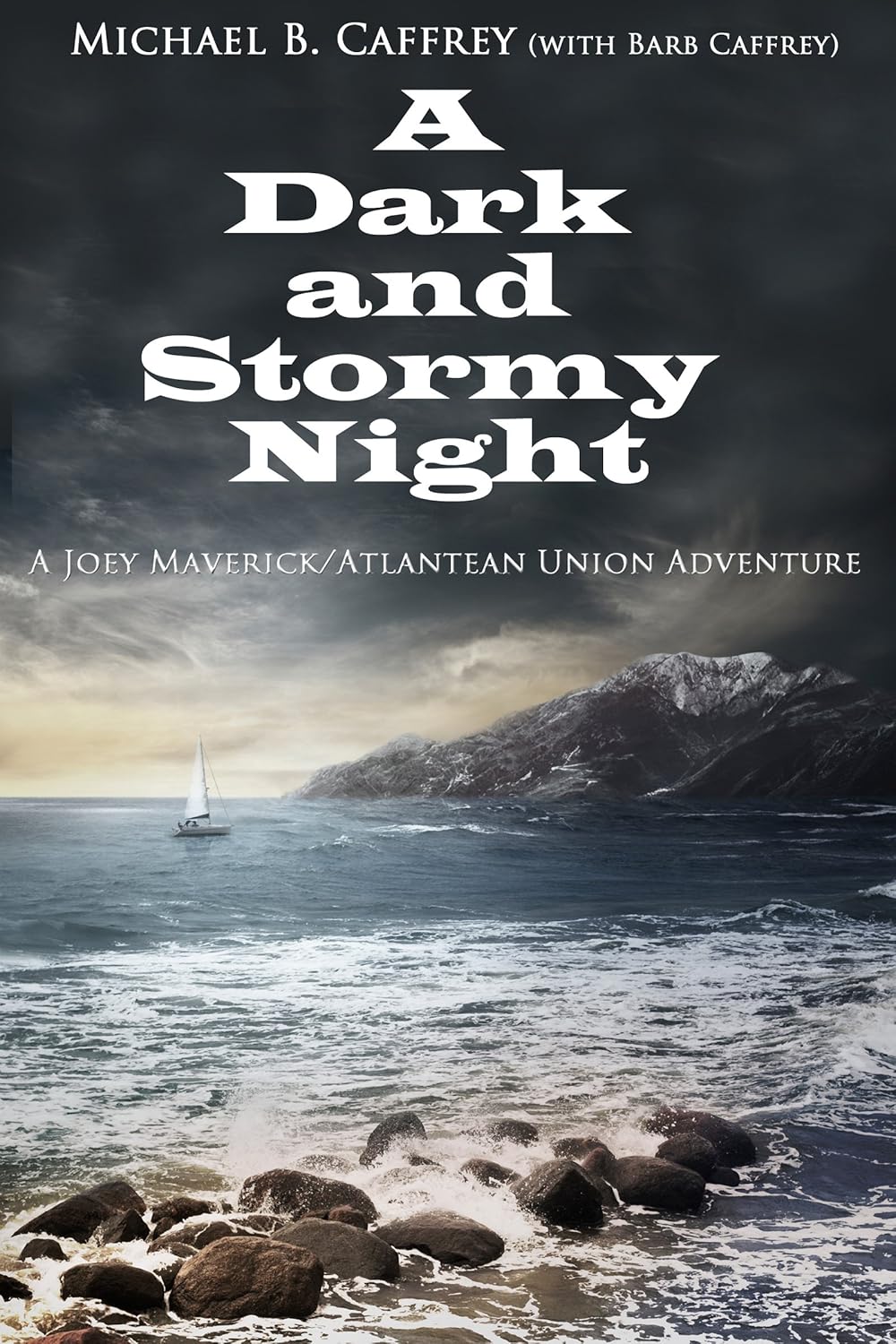
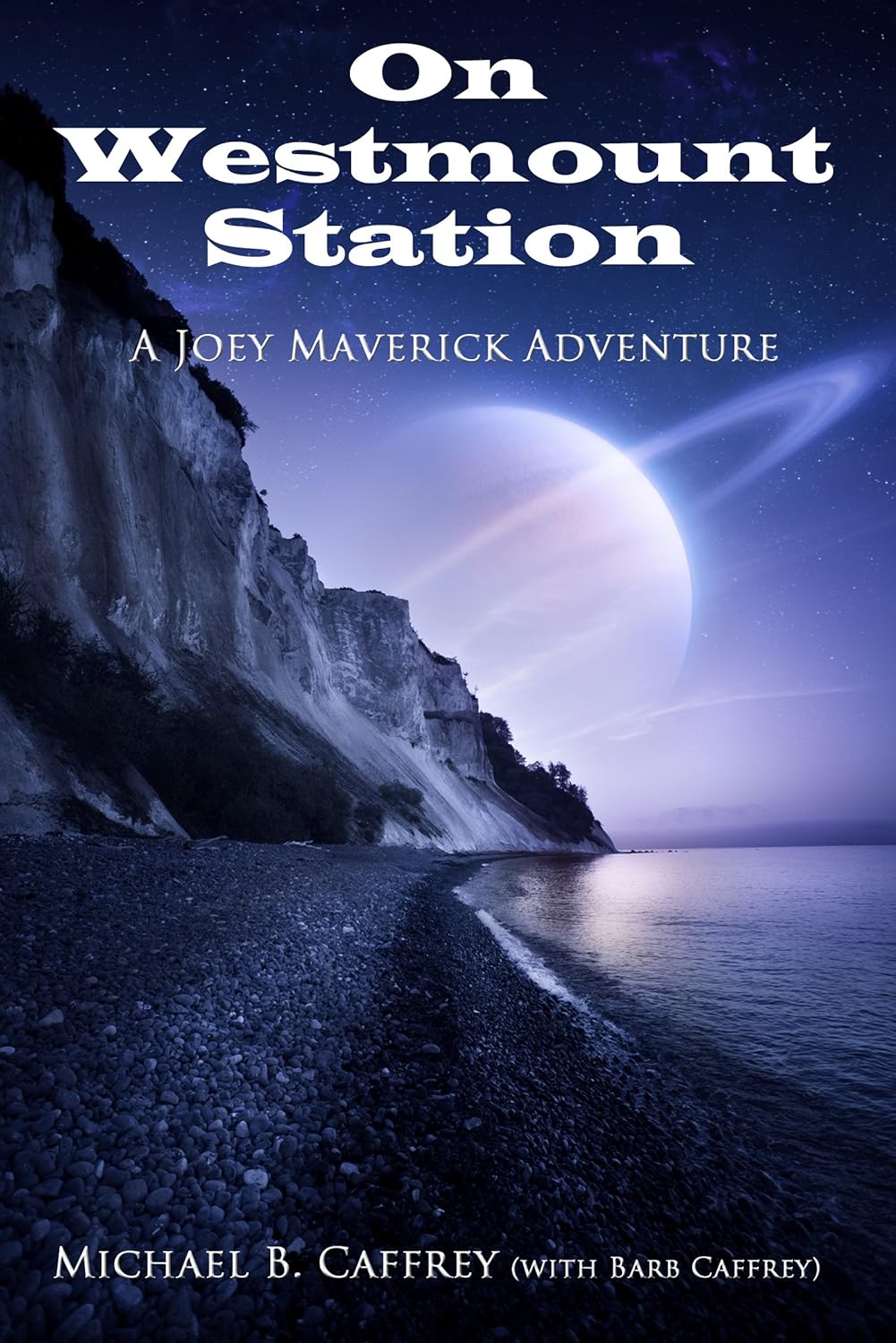
Michael was a much more assured writer than I was when I met him back in 2001, as he'd written two full novels and was working on another one. (I've managed to extract two stories from his first novel, and those stories,  A Dark and Stormy Night and On Westmount Station, are available at Amazon as e-books.) Michael also was an accomplished editor, and was probably the best person I could've been around as I started to seriously write fiction.
However, when we married in 2002, the novel I was working on wasn't AN ELFY ON THE LOOSE. I had no idea that I was about to write AN ELFY ON THE LOOSE, either, nor that I'd write more than 240,000 words in the space of about thirteen months.
So what happened to jog loose the story of Bruno the Elfy and Sarah, his Human companion and friend? And why did I listen back in September of 2002 when Bruno popped up and said, "Hey, over here! I have a story to tell?"
Back then, Michael and I had just gotten back to San Francisco, California, which had been his home for many years, from a lengthy honeymoon visit with my family. And I'd read an anthology about Elves where the anthologist said something to the effect of, "These Elves aren't your normal Elfie-welfie stuff, either." While the name of that anthology didn't stick, the thought of what, pray tell, "Elfie-welfie stuff" might be apparently did, as it wasn't three hours after I closed the book that Bruno appeared.
When a character appears, fully formed, it's best to listen to what he has to say. But all I knew, when I started writing, were three things: Bruno liked to wear black – when his race, the Elfys, mostly loved bright colors. He was the equivalent of a teenager. And he did not like to rhyme, even if all the other Elfys did.
Even so, that was enough for me to start writing what I then called "The Elfy Story." I wrote the first six parts or so – less than chapters, about a thousand words per part – alone. Michael took a hand when I got to the seventh part because I had some sort of problem I couldn't immediately solve, and he got intrigued. Then he figured this story had legs, and he wanted to help me figure out where it went.
What did he do, exactly? Well, I have an Elfy Lexicon in the Bilre language – Bilre being what the Elfys speak, of course – and I wouldn't have that without Michael's help. He also helped me hash out how the Elfys are governed, and what their society is like. Trade is a must, and whoever Trades with all the other races can be a very wealthy and powerful person, but knowledge, too, is essential – because if you don't know what's likely to be important to each species, how could you possibly relate? (Or Trade, either?)
In figuring all of that out, we decided that the Elfyverse must be a true multiverse, where the various races tend to have worlds (or levels) of their own. And each race is different; for example, I knew from the beginning that Elfys were a type of shorter Elf (no Elfy is taller than four feet, two inches unless he or she is of mixed blood), but didn't have the same set of strengths and weaknesses as the Elfs (never Elves, as if you call them that in the Elfyverse, the Elfs will charcoal you for your presumption). And I knew that we had at least three races involved – Elfs, Elfys, and Humans. But as time went on, I knew the Dwarves were present (as they built air-cars), as were the Trolls, and maybe even the Ogres...
Still, world building aside, why should anyone care about Bruno just because he's an Elfy and from a magical society? You'd think that someone who has magic, and a lot of it, would be too hard to root for, right?
Not in Bruno's case. He's an orphan, a ward of the state, and because of a past traumatic brain injury, he doesn't remember everything he should. Further, most of what he's been told about himself is wrong. Worse yet, the Elfy High Council is so afraid of Bruno's potential magical power that they've intentionally mistrained him before sending him off to the Human Realm (our Earth), intending to maroon him there forever.
Despite all this, Bruno never completely loses his sense of humor, which appealed to me. He refuses to give up – it's just not in him – and that, too, appealed to me. So I kept writing...and my husband kept editing.
As I wrote, I learned that Bruno had landed in a house that was haunted. And where he mostly couldn't do magic. And where he only had one friend: the strange Human girl Sarah, with whom he had to make common cause due to her loathsome parents (as one of my friends put it, "Sarah's parents are straight out of reality TV"). They're in a bad situation, but it quickly gets worse when Bruno's mentor Roberto tries to rescue them, but instead ends up getting captured himself by Sarah's terrible parents. Who are themselves in thrall to a Dark Elf, who's up to no good...and then, of course, they fall in love, and everything gets better in a weird way because that's what love does, despite everything else going to the Hells in a handbasket.
With all of that going on, Bruno and Sarah realize they have to gather allies. But how can they? Bruno's new to the whole Human Realm (our Earth), while Sarah's been told her whole life that she's unimportant and way too young to be bothered with. And they need both Elfy and Human allies, which isn't going to be easy...

But somehow, some way, they will do it – or die trying.
With this huge, complex plot, I could've easily gotten lost. Fortunately for me, Michael was there every step of the way. He told me when I'd get frustrated, "Don't worry. The story will come." Or he'd tell me jokes in a similar way Bruno tries to do with Sarah from time to time in AN ELFY ON THE LOOSE (where do you think I got that from, hm?). Or he'd help me draw diagrams when I tried to figure out why the Elfy High Council did anything at all...plus, he edited what I wrote, gave me excellent advice, and heavily edited nearly all of Dennis the Dark Elf's dialogue to make it even nastier and more hissable.
What more could anyone ever ask from her spouse than that?
So, in closing, if you enjoyed any part of AN ELFY ON THE LOOSE, please remember my husband Michael. Without his presence in my life – without his understanding, patience, and love – this novel would not exist. Because I'd not have known enough about love to write it.
~~~

And there's her story, and it's delightful and wonderfully romantic. And so is her book! I urge you to purchase An Elfy on the Loose for your Nook or Kindle right away! Like I said, we're book-bombing her today anyway, so what better time to buy, than to help a new author? Go forth and read!

-Stephanie Osborn
http://www.stephanie-osborn.com