Banner

Banner
Showing posts with label YA. Show all posts

Wednesday, August 24, 2016

SURPRISE!!!

by Stephanie Osborn
http://www.stephanie-osborn.com

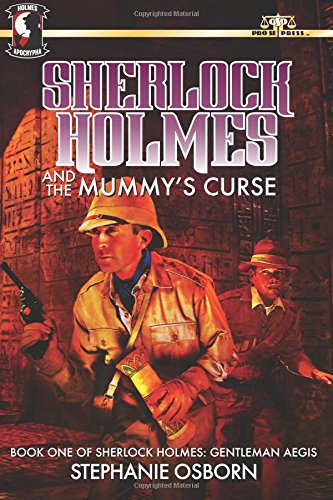
I am thrilled to announce that the first book of the Gentleman Aegis series, Sherlock Holmes and the Mummy's Curse, has WON the 2016 Silver Falchion Award for Best "Nonfiction" (read: historical fiction) YA Book!


The award is sponsored by the Killer Nashville mystery convention!


I'm SO EXCITED!!!

~Stephanie Osborn
http://www.stephanie-osborn.com

Monday, June 9, 2014

Special Guest Blog: Parallel Universes, by Barb Caffrey

by Stephanie Osborn
http://www.stephanie-osborn.com

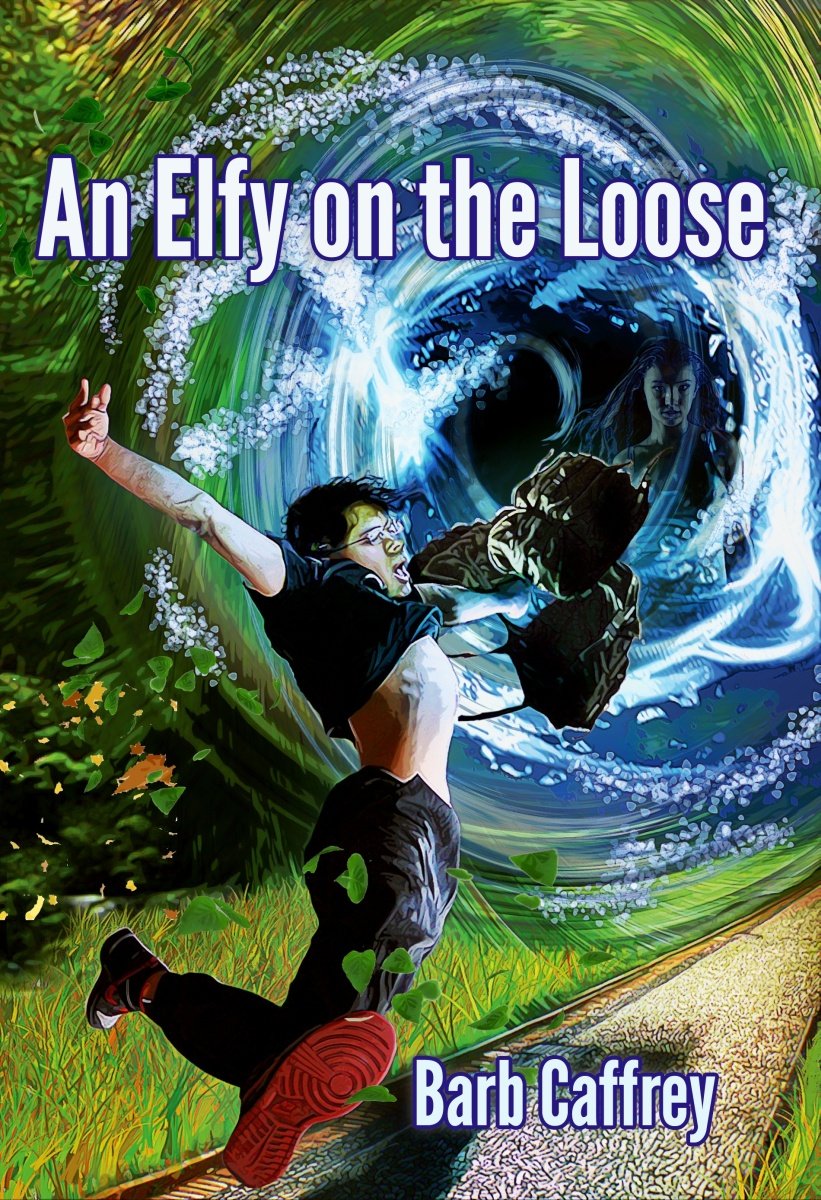
Barb has been participating in the Elements of Modern Storytelling series of blog articles. She is a professional book and music reviewer, as well as recently having her first book published, An Elfy On The Loose. She pitched an interesting guest blog at me and I liked it -- a lot! So here it is for your enjoyment.

~~~

"Why Use Parallel Universes in Fantasy?"
by Barb Caffrey

Some readers of my debut YA urban fantasy/romance novel, AN ELFY ON THE LOOSE, have had one question: Why did you use the parallel universe theory for the location of the Elfy Realm?


But first, you need to know what the parallel universe theory is.

The parallel universe theory – that there are universes like our own, that developed much like our own, but history went differently there so it's possible to have different versions of the same person, perhaps, or different races emerging from what is substantially the same world – has been used to great effect by many science fiction novelists in the past, including Stephanie Osborn herself in her Displaced Detective series.

But fantasy novelists have not used it very often.

Instead, novelists such as L.E. Modesitt, Jr., Alan Dean Foster, Barbara Hambly, and more recently, Christopher Nuttall, have sent people from our world into a completely different fantasy world, one where the rules are completely different. That allows for magic. It also allows for science, too, as brought in by the protagonist – most particularly by Modesitt, Jr. and Nuttall. But primarily, this is to account for the alienness of the world and everything within it.

As a plot device, that's fine. But it's not the one I came up with.

Why? Well, I gravitated far more toward the theory that eldritch beings have always been a part of our world. (Hence the Bedlam's Bard universe as conceived of by Mercedes Lackey, Ellen Guon and Rosemary Edghill.) But I didn't think the idea of Underhill would work for me…and besides, the idea had already been done very well.

So I decided that each race would have its own Realm, which is all a version of Earth. In addition to the Elfys and the Elfs (do not call them Elves in the Elfyverse, or that will get you killed most unpleasantly), there's the Trolls, the Dwarves, the Orcs, and many, many more, all living on various parallel dimensions of Earth and going by these names: The Elfy Realm. The Elf Realm(s). The Dwarven Realm. And so on.

I figured it's much easier to have one world that's split via the parallel universe theory than it is to send someone somewhere else where nothing is familiar whatsoever. I liked the idea that the supposedly familiar could also be intensely strange – as the Elfys, at first, know very little about us, the Humans, and we definitely know even less about them. And I really liked the idea that a magical being like a Dark Elf – that is, a being committed to violence and darkness and death for its own sake – would "pass" as Human because we've forgotten that Dark Elfs exist.

As to how I got around the magic part, considering our world does not seem to be magical? Well, as many other novelists have done, I said that magic exists, but our world has mostly forgotten about it.

The theory of parallel universes, in short, enhances my story because it gives me a huge canvas to play with. Bruno's upcoming adventures include a trip to the Elfy Realm (he must tell off those twits comprising the Elfy High Council somehow), and future novels have adventures in the Troll Realm, more in-depth looks at the Elfy Realm, and of course a great deal continues to go on in our own world, the Human Realm…

So despite there being much magic and mystery involved in the creation of AN ELFY ON THE LOOSE, underneath it all lies a solid principle of physics – even if it's not used exactly as most physicists would probably approve. And yes, I did it deliberately, because it fit the story and worked as a plot device and gave me a great deal to work with.

My view of the question I started with is simple: Rather than asking, "Why did you use the parallel universe theory," why not ask why other fantasy novelists haven't used the parallel universe theory?

That question is exactly why I used it.

 ~~~

And that's also why I liked it so much. The universe Barb created is different, and unique, and that's fascinating...as well as darn good writing. An Elfy On The Loose is a great book, guys. Give it a try and you'll see what I mean.

-Stephanie Osborn
http://www.stephanie-osborn.com

Wednesday, May 7, 2014

Elements of Modern Storytelling: Romance, A Guest Blog by Dina von Lowencraft

By Stephanie Osborn
http://www.stephanie-osborn.com

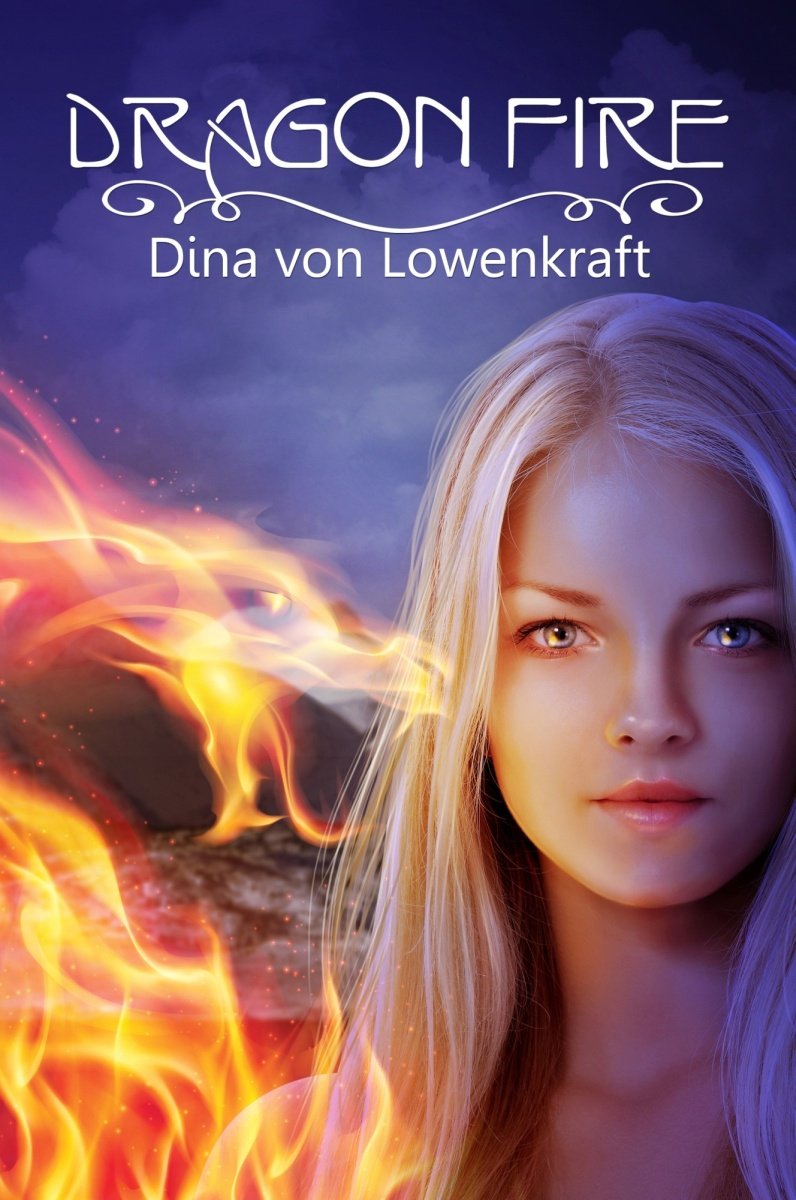
Today we welcome Dina von Lowencraft to the party! Dina's current book is Dragon Fire, a fantasy with plenty of mystery and suspense thrown in. (Have you noticed how many of our authors tend to cross genres? I have. And I'm one of them.) Publisher's Weekly says, "In Lowenkraft’s science fantasy novel [Dragon Fire], the Draak, alien shape-shifting dragons inhabit the Earth unbeknownst to humans, whom they regard as cattle to be exploited. Though nearly driven to extinction by war, the Draak are still consumed with old vendettas. ...Lowenkraft seasons her tale with a critique of the abusive relationships seen in popular works like the Twilight series." 

So now let's see what she has to say!


~~~


Dina:


Certain themes always come back in my writing – whether I set out to write about shape-shifting dragons, cyborgs or steampunk assassins. And one of those themes is romance. So when Stephanie asked if I’d be interested in writing a guest post on romance as an element in modern storytelling, I jumped on the chance!

When I first began to write, I just wrote. I didn’t think about the themes I wanted to write about or even what genre I wanted to write. But after trying my hand at a few manuscripts, it became clear that the themes I write about are all YA (young adult) themes. I don’t consider a book to be YA because the protagonist is a teenager, but rather because the issues (and/or the manner in which those issues are dealt) are in keeping with what young adults are going through. The late teen years are full of change and development – emotionally, physically and personally. It is a time of questioning – of personal identity, of parents, of the society at large, etc. Teenagers are constantly re-making their world, destroying one and creating another. As a young adult I loved that feeling of power, of endless possibility, of freedom. And I still do.

As young adults discover the world, they discover who they are and what they believe in. The sense of time, of perspective, of what love is, is not the same for a Young Adult (first loves, hormonal changes, endless possibilities for the future, etc.) as for a New Adult (probably once hurt and more cautious in love, about to start a job, set up their own house, focus is generally more on pragmatic questions etc.) or an Adult (either in or out of a relationship, but with responsibilities and external demands on their time, and often with a set view of the world and their place in it).

The passion of the young adult protagonist, mixed with the desire to create a better world for themselves or for others, is explosive. I love writing about characters who are forced to choose between what they have been brought up to believe and what they see elsewhere – especially if that choice means giving up something significant such as true love or their future in their community. The choice can be to stay or to change, but it always costs them something. This passion to live, to be true to oneself, to discover new aspects of oneself and others is an obvious opening to romance.

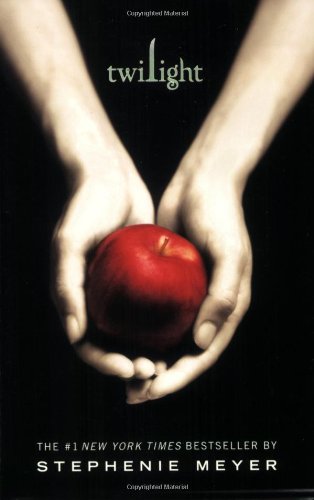
Which is perhaps why romance is often an integral part of the YA genre, even if it isn’t the primary focus of the book. Think of Twilight where the story wouldn’t exist without the romance between Bella and Edward versus The Hunger Games where romance is not the focus of the story, but it lurks in the background as Katniss deals with a world gone wrong and how to make it a better place. Although there are a few YA books that don’t touch upon romance or sexuality, most do.

Emotions and convictions are strong for young adults, and death is so far away that they feel invincible. Everything is fresh and new – and meaningful. First love, first sexual experiences, first heart break…the power of those first relationship(s) is enormous. Whether they last or not, are pleasant or unpleasant, they are likely to color how that person sees the world thereafter. It is part of what will shape their world view, and perhaps even the view they have of themselves. This makes it an intense and powerful element of each character’s plot arc. In my YA fantasy, Dragon Fire, my main protagonist, a shape-shifting dragon, falls in love with a human. This changes his view of humans, and his willingness to accept that they are expendable. Which then forces him to go against his community, jeopardizing both his own life and that of his human love interest. The story is not only about this forbidden cross-species love affair, but it is a major element of the plot and of my main character’s development as a sentient being.

Although I don’t write romances per se, all of my stories have romance as a major or minor plot element. Romance flows as naturally from my characters into their plots as it does in young adults everywhere as they discover who they are, what they believe in and who they want to be with.

Thank you, Stephanie, for asking me to write about this element of modern story telling that is such an integral part of my manuscripts – I have enjoyed reading everyone’s take on it and look forward to the next installment where another aspect of writing is discussed!


Author Bio:

Born in the US, Dina has lived on 4 continents, worked as a graphic artist for television and as a consultant in the fashion industry. Somewhere between New York and Paris she picked up an MBA and a black belt. Dina is currently the Regional Advisor for SCBWI Belgium, where she lives with her husband, two children, three horses and a cat.

Dina loves to create intricate worlds filled with conflict and passion. She builds her own myths while exploring issues of belonging, racism and the search for truth... after all, how can you find true love if you don’t know who you are and what you believe in? Dina’s key to developing characters is to figure out what they would be willing to die for. And then pushing them to that limit.

Dina is repped by the fabulous Kaylee Davis of Dee Mura Literary.


~~~

Thank YOU, Dina! This is a fascinating take on romance from the mind of a YA writer! Folks, Dragon Fire has had RAVE reviews, and it's well worth your while! Go have a look!

-Stephanie Osborn
http://www.stephanie-osborn.com