Banner

Banner
Showing posts with label Aaron Paul Lazar. Show all posts

Wednesday, October 22, 2014

Interlude: A Guest Blog by Aaron Paul Lazar

by Stephanie Osborn
http://www.stephanie-osborn.com

We're going to hold off awhile on the Elements of Modern Storytelling series. Why? Because it's HOLIDAY TIME! And all us authors want to tell all you readers about our books, in case you want to get (or want to ask for) one for a Christmas/Hannukah/Kwanzaa gift!

Leading off, it's Aaron Paul Lazar!


~~~

So I Broke the Rules – Go Ahead and Shoot Me!

©2014 Aaron Lazar

I didn’t intend to write a series when I created the rather kooky and slightly paranormal mystery, For the Birds. I knew it would feature a pretty little red bird on the cover (see below), because I’d just had a vivid dream about her. Out of the wild blue yonder, Ruby came to me and insisted on a book of her own. I’d never owned a bird, never even known anyone with a feathered pet, but this dream was so vibrant I couldn’t get Ruby out of my mind.

Marcella and Quinn “Black Eagle” Hollister came upon the scene as Ruby’s owners, and Marcella’s mother, Thelma, popped out of nowhere. Before I knew it, I had created a dynamic and diverse family and their pets. True to my dream, I set the story in the Adirondack Mountains, which set me craving for the mountains, woods, lakes, and rivers that I’d come to love. I just had to get up there again.

Fortunately, or unfortunately, as the case may be, I was laid off from my engineering job at Kodak right around the same time. So, with lots of free time on our hands, we headed up to the mountains and discovered the cabin where the story takes place. Tall Pines is a rustic, wonderful cabin situated on seven acres of pines above the Sacandaga River in Hope, NY. We fell in love with it, and it has become the center of the series that grew from For the Birds.

When Marcella Hollister’s prize parakeet gets zapped by a wayward power line in the same pool as her mother, the ensuing psychic link helps Marcella chase her mother’s kidnappers through the Adirondack Mountains, where she unearths a fifty-year-old secret about her dear father with shocking links to a hidden treasure.

I really didn’t plan to include paranormal or spiritual elements in For The Birds, either. I just went ahead, guns blazing, and let the story blast out of me.

You can’t exactly call me a planner. But I have a hard time trying to keep up with myself. I know, that sounds nuts. But it’s how I write.

When I finished this book, I was in love with the characters. My readers wanted more of Marcella and her gorgeous half-Seneca husband, and they seemed to enjoy our jaunts to the Adirondacks. At the same time, I’d recently become infatuated and obsessed with essential oils. There was no question that my characters would also discover them, and it came as no surprise that I used the healing power of essential oils as one of the main themes in the second Tall Pines book, Essentially Yours.

Strangely enough, however, this book was a bit different. Although it’s dubbed a mystery, it had more suspense and action than the first book. If I had to give it a genre on its own, I would have called it romantic suspense.

Hey! Where’s the consistency?

If push came to shove, I’d say it’s in the characters and the telling of a great story set in the same locale.
 
Marcella’s first love has been MIA for eighteen years. Callie, her best friend and Sky’s sister, flips out when a mysterious package from Sky arrives on her doorstep. Inside his old backpack are bottles of precious essential oils, a memory stick, and a bag of emeralds. Are these his final effects? Or is Sky alive?
 Drug company goons want the data on the memory stick, because it links a newly discovered essential oil with a leukemia cure. They kidnap Callie, hoping to lure Sky into the open. Marcella and Quinn track her to the wilderness of the Adirondack Mountains, where against all odds they fight to save Callie and preserve the proof that could change the world.

The characters screamed at me to write more, especially Marcella’s newly introduced old flame, Sky Lissoneau, and his damaged, but adorable, sister, Callie. I thrived on the tension between Marcella’s husband and her first love, who showed up after eighteen years with a whole gang of villains chasing him through the Adirondack woods. Quinn—usually a quiet and passive soul—is insanely jealous of Sky. After all these years, Sky still adores Marcella, and can’t get that look of desperate heartache out of his eyes. I let all hell break loose in Marcella’s family and in the mountains where the scientific medical studies were being held to prove that a common lake week held the key to curing leukemia. Mix together some nasty drug company thugs and a bit of mysticism with crystals, oils, and the love of a big old Bernese Mountain Dog, and you have Essentially Yours.

When I wrote Sanctuary, book three, I was obsessed with what I called “my Indian soul.” With the help of a Cherokee historian friend, I wove substantial elements of Native American traditions into this mystery/suspense. Using mystical elements of crystals, smooth river stones, essential oils, and a haunted mountain top, I pushed the psychic barrier a bit here and allowed a bit of mind-melding.

This doesn’t belong in a mystery, does it? You’d really expect it more in Star Trek. But hell, like I said, I didn’t care. I just forged ahead.
 
Marcella’s husband, Quinn “Black Eagle” Hollister, severed ties to his family and friends on the Seneca reservation years ago. He rarely mentions his past—until his young cousin Kitty collapses on the couple’s doorstep in the dead of a rainswept night. After two Seneca men break into their home with intent to kill, the Hollisters flee with the mute and injured girl to Tall Pines, their cabin in the Adirondacks. Marcella, unable to bear a child of her own, unleashes her motherly instincts caring for Kitty. As the girl slowly recovers, they start to piece together who wants them dead, and why.

When it came time to write Betrayal, which flowed out immediately after Sanctuary, I wanted to create a winter mystery full of threats, sexual upheaval, and plenty of chase scenes. I didn’t expect to introduce a pair of serial killers who left bodies on the icy shores of the Sacandaga, but that’s what happened.

I also introduced some pretty dark relationship issues into Marcella’s marriage. She feels Quinn betrays her, and flees to Tall Pines to escape for a while. Trouble is, Sky is waiting there for her, and it’s all she can do not to let herself fall into his arms. The old passion is still there, and it tortures her to look into his sea green eyes.
 
Marcella Hollister realized a lifetime of hopes and dreams when she was given custody of a child. A cousin of her half-Seneca husband, Quinn, the baby’s mother was murdered in a political plot—and Marcella, who’s never been able to have children of her own, formed an instant bond with little Kimi. Then a distant relative comes forward to claim Kimi—and Quinn, who Marcella thought understood her pain better than anyone, allows them to take the baby without a fight. 
Confused and deeply wounded, Marcella takes off for Tall Pines, their secluded Adirondack cabin. She hopes the peace and natural beauty of the mountains will help clear her head and decide whether to forgive Quinn…or leave him. But the situation at Tall Pines is anything but peaceful. Her high school lover, Sky, arrives to help out—and Marcella discovers her old feelings may not be as distant as she thought. Worse, a serial killer is stalking young women in the area. And when a teen girl whose mother works with Sky goes missing, Marcella and everyone she cares for wind up dead center in the killer’s sights.

If I were to read Betrayal on its own, I might classify it as a romantic thriller.

Uh huh. Not a kooky, paranormal mystery like For the Birds. Not a romantic suspense, like Essentially Yours. Not a Native American spiritual mystery, like Sanctuary.

I know, I know! Where’s my consistency? Where’s my platform planning?

That said -- I must tell you my Tall Pines fans and readers don’t give a darn into which official genre my books fall. You could certainly still classify them as mysteries. But they don’t care, and frankly, neither do I. It’s the characters we care about, and they are going to be here for the long haul.

So, yeah. I broke the rules. Please don’t shoot me.


Aaron Paul Lazar
www.lazarbooks.com
~~~

Aaron Paul Lazar writes to soothe his soul. A bestselling Kindle author of 22 books, including three addictive mystery series, writing books, and a new love story, Aaron enjoys the Genesee Valley countryside in upstate New York, where his characters embrace life, play with their dogs and grandkids, grow sumptuous gardens, and chase bad guys. Visit his website at http://www.lazarbooks.com and watch for his upcoming release, UNDER THE ICE. Aaron has won over 18 book awards for his novels and finds writing to be his form of "cheap therapy." Feel free to connect with him on Facebook or his website; he loves to connect with readers!


 ~~~

So here we are with our first recommendation, folks! The Tall Pines Mysteries by Aaron Paul Lazar! Go check 'em out!

-Stephanie Osborn
http://www.stephanie-osborn.com


Wednesday, August 6, 2014

Elements of Modern Storytellilng: Character Development, A Guest Blog, Part 2 by Aaron Paul Lazar

By Stephanie Osborn
http://www.stephanie-osborn.com

Today we continue a new take on developing characters:  how their tastes in the arts helps to form and shape those characters. My friend Aaron Paul Lazar spoke about this last week. This week he's going to finish up what he started. Have at it, Aaron!


~~~


Aaron:

Does Music Move Your Characters Forward?
Part 2
[copyright Aaron Paul Lazar, July 9, 2014]
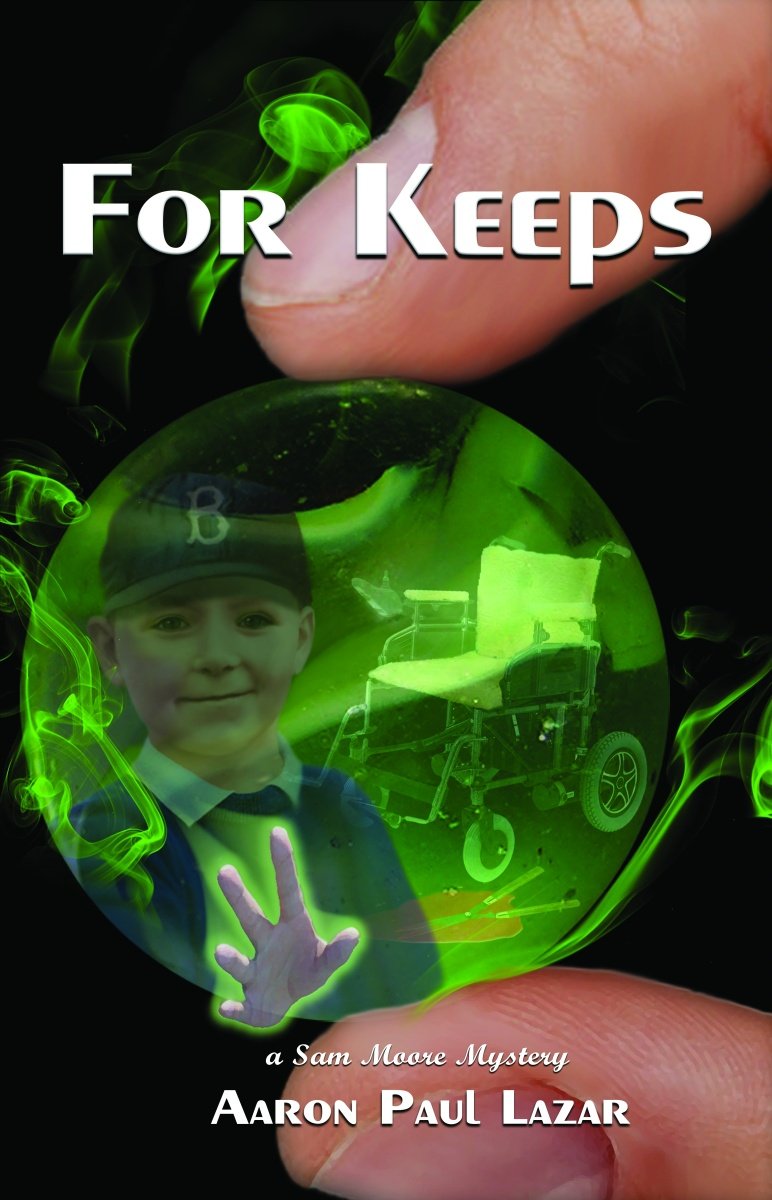
Here's another scene from the next book in the series, book #3 in Moore Mysteries, entitled For Keeps. In this example, Rachel is trying to get Sam to open up to a new style of music, quite unlike his favorite, Ms. Fitzgerald. I also enjoy using my books to cross-pollinate my own series (see reference to Gus LeGarde's radio show in Sam Moore's book) and to give free plugs to writer friends whose books I want to promote.

In this segment, Sam has just come in from an unsettled meeting with the local coroner, who seems to have a crush on him, which makes him extremely unsettled.

***

From chapter 11, For Keeps:

“How’d it go, sweetie?”
Sam slumped against the doorframe. “Pretty much like you said it would. But it’s still damned uncomfortable.” a
“Oh, poor baby,” she said, patting the sofa beside her. “Come listen with me. Japanese Melodies, by Camille Saint-Saëns. They’re so pretty.”
Reluctantly, Sam shuffled to the couch and dropped beside Rachel. “Okay. Maybe for a little while.” Sam’s usual tastes ran to Ella Fitzgerald’s crooning and Duke Ellington’s band. But he tried to maintain an open mind as he slid close to her and slipped an arm around her shoulders. She snuggled into him and closed her eyes.
The cello and piano duet invaded the room, soothing and saddening Sam at the same time. The music glided into his heart, plucked at his emotions, and tantalized him. The piece Professor LeGarde analyzed was particularly evocative, with searing melodies that sounded mildly Japanese and Spanish at the same time. Sam imagined a Japanese tea garden with a flamenco dancer poised on an ornate bridge. The next time he saw Gus in Wegmans, he’d have to thank him.
When it was over, Rachel clicked off the radio with the remote and sighed, almost as if she were about to burst into tears. They sat for a few minutes in silence.
He finally broke the spell. “Wow. You were right.”
***
Music is an essential element throughout my three mysteries series. Matter of fact, Professor Gus LeGarde (of the ten-book LeGarde Mystery series) is the chairman of the music department at Conaroga University. He lives for music. He teaches daily. And in many cases, I try to further his development by showing his listening reaction, as well.

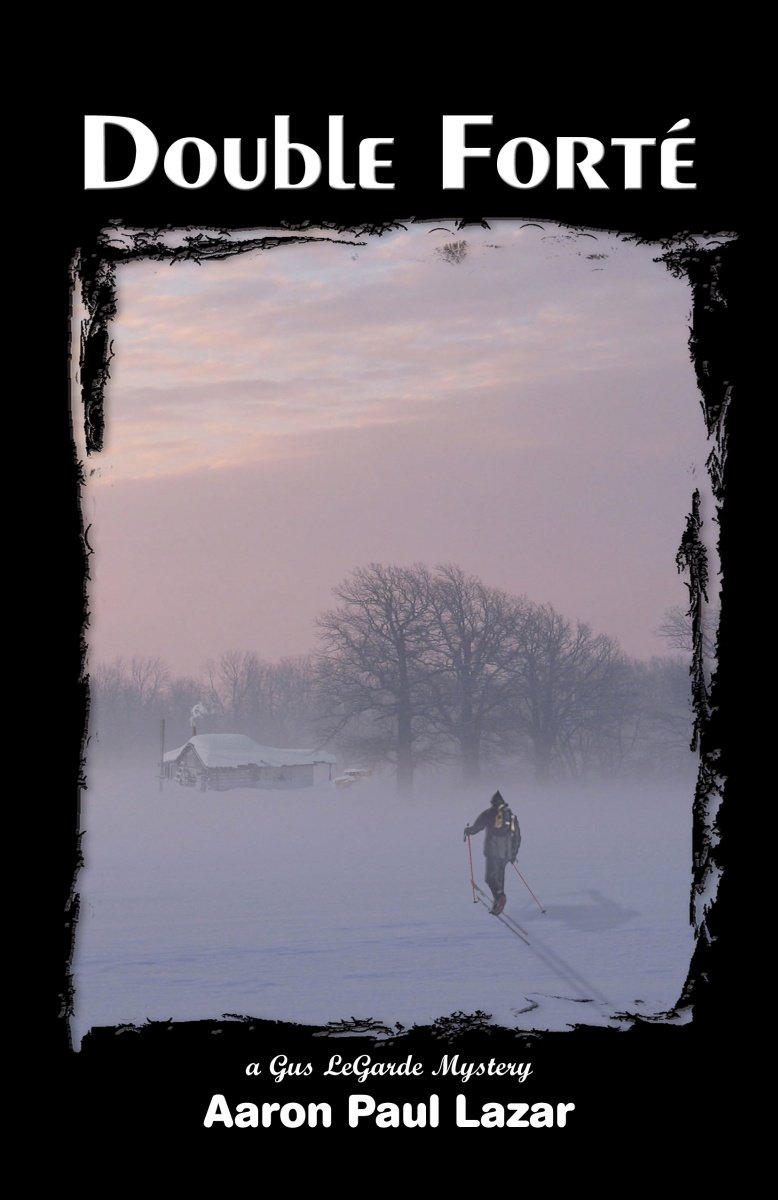
Gus’s first wife, Elsbeth, leapt to her death from the cliffs of The Letchworth Gorge four years before the first book in the series takes place. (Double Forté) One morning, he’s teaching an opera class and happens to be knocked for a loop when he realizes the parallels between the operatic story and his own life. Here’s the end of the scene, where Gus is speaking to a roomful of students, having played arias from Puccini’s Tosca for the past half hour.
***
“The opera ends when Tosca’s enemies approach. Overwhelmed with grief, she runs to the top of the battlement and soars into the air in a dramatic, self-sacrificing leap. Of course,” I paused dramatically and finished with a flourish, “she can be happy only in the afterlife, with her beloved Cavaradossi.”
I pointed the remote at the sound system and clicked the CD to the final aria in Act III. The students listened with wide eyes. The cloying, beautiful melody surged out of the speakers in the finale. From the expressions on their faces, I figured the entire class was imagining Tosca racing up the stairs to leap t to her death. Even Ronny Kuczynski sat with a pensive expression, his eyes cast down.
A feeling of melancholy wafted over me, catching me unaware. It stabbed me with growing pangs of depression. Familiar sorrow migrated into my throat and gripped me—hard.
I’d often related Tosca’s leap to her death with that of my wife, Elsbeth. Although it had been four years now, the pain of the loss still killed me. It felt like yesterday.
Pushing away the thought, I struggled to forget the vision of Elsbeth lying broken and battered at the bottom of the Letchworth Gorge.
She’d been so much like Tosca, with her own diva-like personality.
Exchange the battlement parapet in the opera for the craggy Letchworth Cliffs, and there was the appalling parallel. The vision of Elsbeth returned. I pictured her plunging from the cliffs, her white nightgown flapping around her as she tumbled through the night air.
The music ended, and a final thought hit me. It was true that an awful analogy existed between Tosca and Elsbeth, but there was one huge exception. Tosca leapt toward her love, whereas Elsbeth had left me, very much alive and very alone.
***
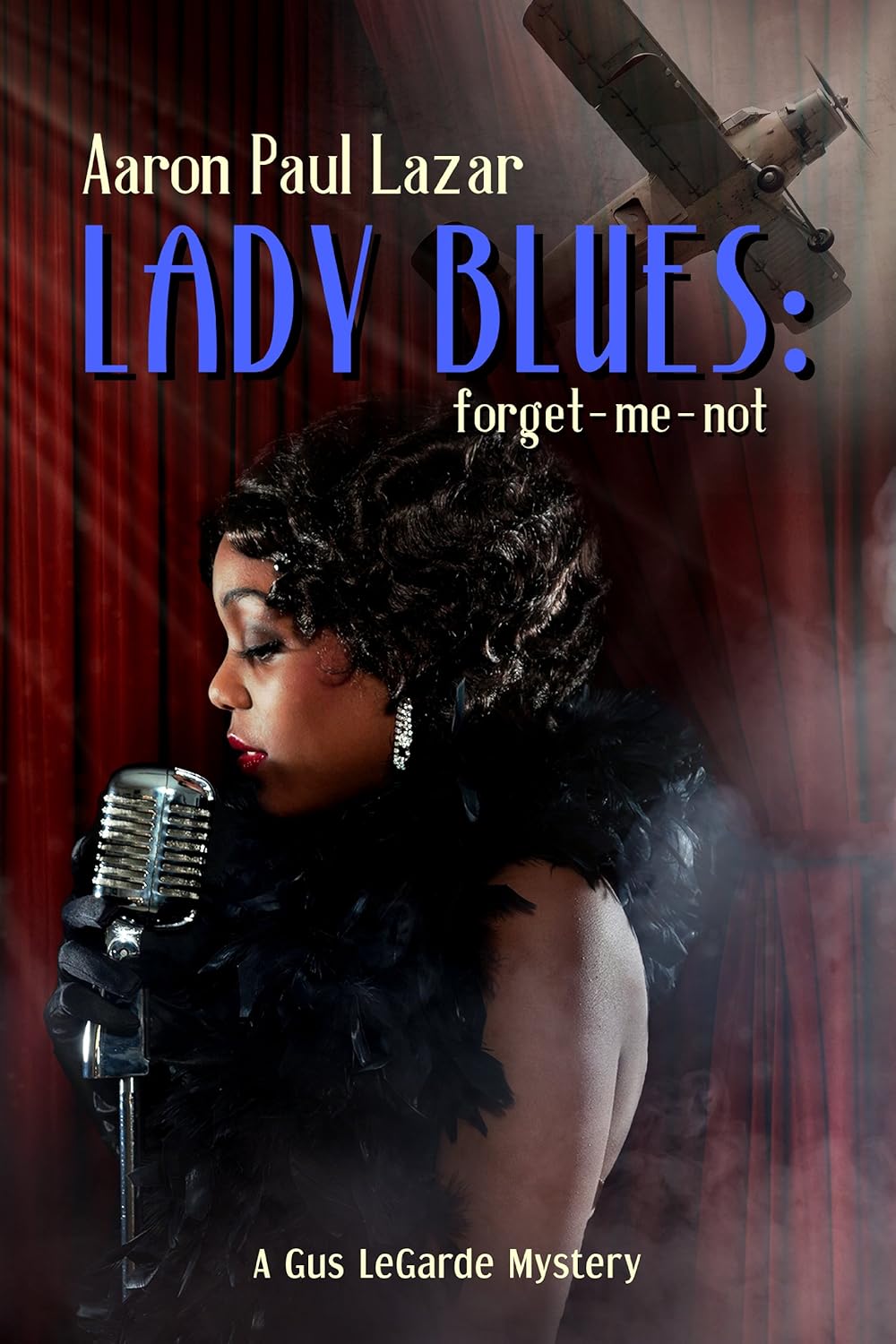
Here’s one last example of how using music in a scene might enhance the character development of a father Lady Blues: forget-me-not)
who’s just realized his teenage daughter had a hidden musical talent, on top of the uncomfortable knowledge that she is growing up too fast…way too fast. (From
***
Shelby nodded, stood up, and let loose, progressively relaxing and making use of smooth portamento passages, light vibrato, and musical sighs. I played from memory, watching as she added facial nuances to match the words.
Maddy tapped her toes on the floor, Joe stayed awake, and even Siegfried stopped to listen in the kitchen doorway, shushing Johnny and the twins.
Chills snaked down my spine.
What a gift she has.
I’d thought maybe musical theater would be her venue, since she’d been interested the previous year in trying out for shows at school. But something had changed in this sixteen-year-old child/woman. Long dark curls framed her delicate heart-shaped face. Her eyes, dark and long-lashed, closed periodically to squeeze every spark of splendor from the notes.
She stood barefoot in faded jeans and a soft yellow sweater, her young lithe arms gesturing to match the words.
Realization hit, and I fumbled the notes.
She isn’t a little girl anymore.
Smooth and engaging, she exuded confidence that scared the hell out of me.
I recovered, but felt unsettled for the rest of the night. We’d already dealt with Shelby’s boyfriends, had been horrified, worried, and traumatized like other parents, but somehow it hadn’t hit me.
Shelby’s a young woman now.
A shudder of fear ran through me. I remembered Freddie’s teenage years with a mixture of joy and horror. But now, did I have the strength to go through it again?
God, help me.
After saying goodnight to everyone, I pushed down the panic and followed Camille and the dogs up to bed.
***

There you have it.

Have you read books which included musical scenes that have affected you in the past? Have they deepened your knowledge of the characters? I’d love to hear your thoughts on this below.
But, before I go, I’d like to thank Stephanie Osborn for having me here today. And as always, it’s a great pleasure to talk about writing and books with all of you!

~~~


As always, lovely to have you, Aaron my friend!

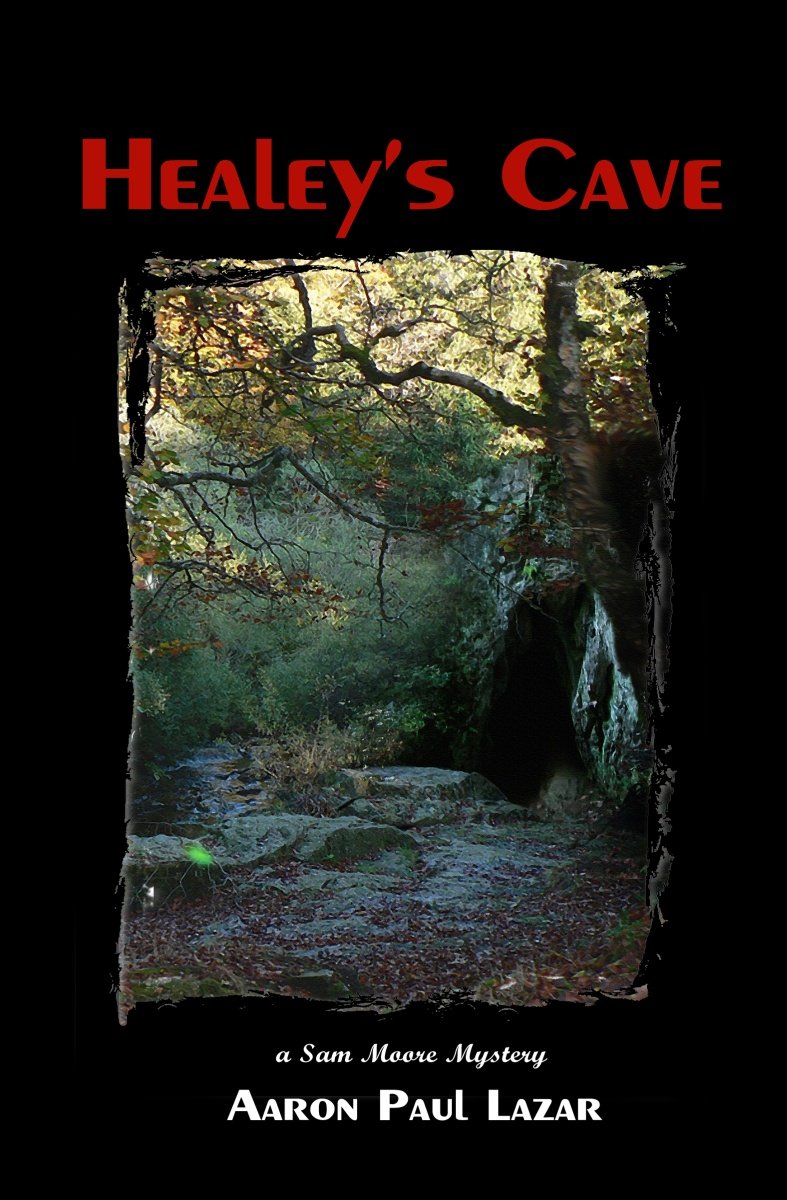
Book 1 of the Sam Moore series is Healey's Cave, if you want to start at the beginning.

Also, Aaron has two new books out: Devil's Lake, a standalone romantic thriller; and The Liar's Gallery, the next book in the Gus LeGarde series. Buy them!

-Stephanie Osborn
http://www.stephanie-osborn.com

Wednesday, July 30, 2014

Elements of Modern Storytellilng: Character Development, A Guest Blog, Part 1 by Aaron Paul Lazar

By Stephanie Osborn
http://www.stephanie-osborn.com

Today we have a completely different take on developing characters, and that is how their tastes in the arts helps to form and shape those characters. My friend Aaron Lazar will be talking about that, this week and next week. Let's get right to it, because I'm realizing that this is a really good technique, and one which I think I've used myself without being fully aware of it...

~~~


Aaron:

Does Music Move Your Characters Forward?
Part 1
[copyright Aaron Paul Lazar, July 9, 2014]
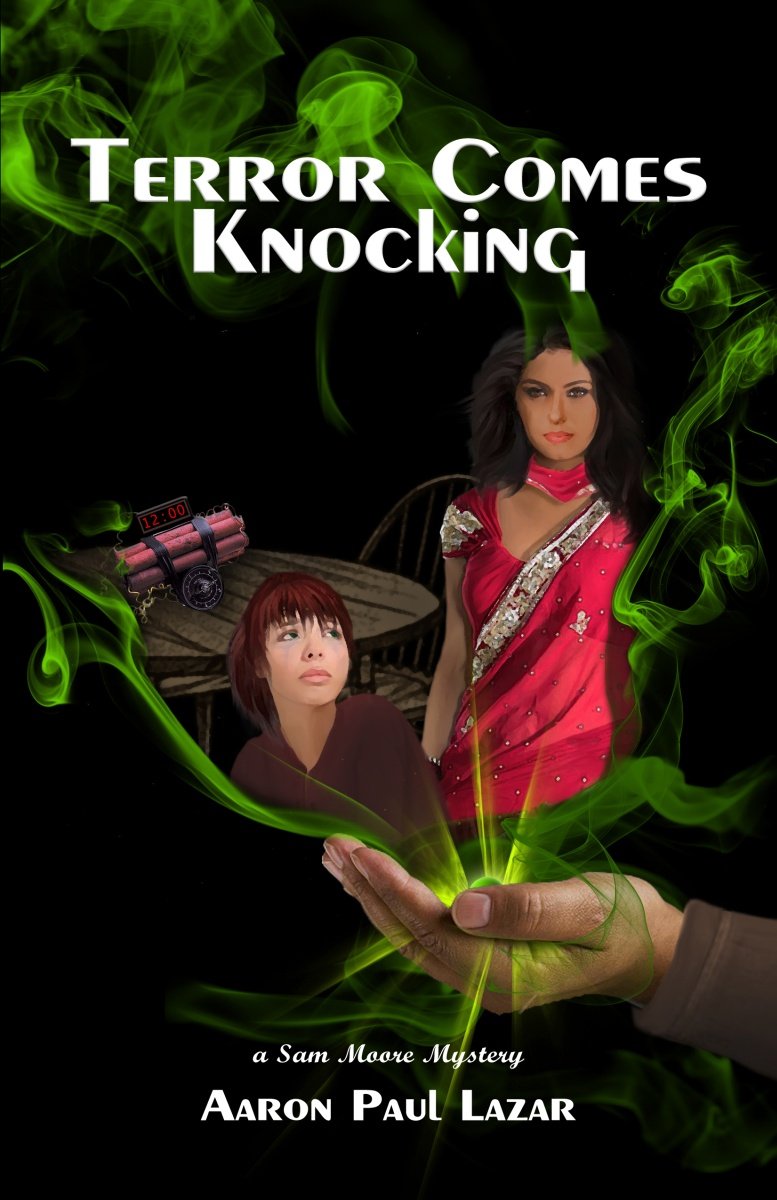
Yesterday I was listening to audiobook tracks from my second Sam Moore Mystery, Terror Comes Knocking, recorded by accomplished actor/narrator, Mr. Robert King Ross. Mr. Ross does a wonderful job representing Sam Moore in this book, and also has a great knack for dialog. In this scene, Sam and Rachel were listening to music together, and it brought them closer at a time of life when most sensuous moments had faded to memories because of Rachel Moore’s deteriorating condition with multiple sclerosis. The scene is a poignant moment for both characters, and it made me think about how music can be used to develop characters’ personalities, as well as emphasizing their complex backstories without dumping information on the reader. (Listen to sample here.)
As I drove along the highway headed in the direction of home, it struck me that writing about a character listening to a singer, or playing a piano, or being engulfed in an opera can be quite challenging. I love music (who doesn't?) and try hard to describe my own reactions to listening during some of these scenes. I also find that it can be an especially nice spot to insert a little poetry, for those of us who try not to be too flowery within the bulk of our prose, but who love describing flowers dripping down a stone wall or the heady scent of essential oils wafting through the air.
In chapter twenty of Terror Comes Knocking, Sam's wife Rachel just received surgery for two dislocated and fractured shoulders. (That really happened to my wife, Dale, a few years back...long story!) This segment describes their ride home from the hospital.

Let me know what you think of the musical aspect of this partial scene - and see if you can tell which aspects of my character(s) I intended to emphasize. Sam reveals a lot about his marriage and life with inner thoughts, and I find passages like this help to clarify the “character of ones characters.”
***
From Chapter 20, Terror Comes Knocking

Rachel closed her eyes. “How about some music? I just want to rest and listen to something nice.”
Sam nodded and leaned forward to switch on the CD player. Ella Fitzgerald was in the number one slot of his six-CD device, singing from "The Best of the Songbooks." He selected track three.
Ella’s velvet cream voice prowled over him, enveloping him with its sensual tones. He went limp inside and let the notes glissade, massaging his soul in sugary splendor.
He and Rachel had danced to these tunes in their youth. They’d seen Ella several times as teenagers. In ‘62, they’d seen her twice. His collection was extensive. He owned every song ever recorded by the jazz queen, including early works from her first recordings. The music trickled over him like soft rain falling on petals…molasses poured over pancakes. It reminded him of days gone by, particularly nights gone by. With Rachel. In their most intimate moments.
She remembered, too. She opened her eyes for a minute and slid a sideways glance at her husband. “You’re remembering, aren’t you, Sammy?”
Sam grinned, slow and lazy. He hadn’t felt like this in a long time. “Yeah… What times we had, hey, darlin’?” He dropped his hand from the wheel and touched her knee. The hospital gown had ridden up mid-thigh.
She laughed out loud. “Now don’t get any ideas, you devil.”
Sam shot a glance at her. The bittersweet knowledge of their life together now hit him hard. They hadn’t made love in years, probably wouldn’t, either. He had to make do with memories. Wonderful, passionate, amazing memories. He saw her in that light now, with her long dark hair rippling over her creamy white shoulders, her dark eyes smoldering, her fluttery fingers touching him in that way…
“Sorry, Rach. Can’t help it. You still drive me wild.”
Her eyes puddled, full of the stark knowledge that Sam accepted with equanimity. He exchanged smiles with her, patting her again. “We were blessed, weren’t we?”
She nodded. He plucked a Kleenex out of the dispenser and leaned over to dab her cheeks.
***

What do you think? Does listening to that music almost transport you back to Sam’s memories, too?

~~~

Part Two comes next week, with more cool excerpts from Aaron's books to illustrate how he develops his characters. Stay tuned!

[Book 1 of the Sam Moore series is Healey's Cave, if you want to start at the beginning.

Also, Aaron has two new books out: Devil's Lake, a standalone romantic thriller; and The Liar's Gallery, the next book in the Gus LeGarde series. Buy them!]

-Stephanie Osborn
http://www.stephanie-osborn.com

Wednesday, April 2, 2014

Elements of Modern Storytelling: Romance, A Guest Blog by Aaron Paul Lazar

by Stephanie Osborn
http://www.stephanie-osborn.com

Continuing our theme of romance as an element of modern stories, today's guest blog is by Aaron Paul Lazar, an award-winning author with Twilight Times Books. 


~~~


Aaron:

When I started writing mysteries back in 1997, I never considered including a “romantic element” in my books.

Funny thing is, I realize now, in hindsight, that every one of my books is supremely romantic.

Crazy, huh? So many things happen beneath the scenes when I create, I find much of it is instinctual, borne of reading so many books in my lifetime. And it’s an interesting process to analyze.

When I started writing Double Forte’ after I lost my father to cancer, I began the series with Gus LeGarde mourning his long time soul mate, Elsbeth, who died four years before the series opens. Although deceased, she is an important, dynamic character who appears in flashbacks, memories, and prequels within the ten book series. After all, her picture stays up on that bedroom mantle in the silver frame, and Gus still stops to kiss his fingertips and press them to her silver halide image whenever he passes.

In early drafts, Gus threw himself into caring for his huge family, lavishing affection on his grandson and beloved dog, growing sumptuous gardens, and trying to numb his pain by staying busy. At first, I was content to let him suffer. I didn’t intend to let him off the hook. But my wife doggedly convinced me Gus needed a love interest, so I invented Camille Coté, the lady to whom he proposed by the end of book 1, is engaged to in book 2, and marries by book 3.

I realized in hindsight that her instincts were on target.

Without even thinking about it (I’m embarrassed to say, LOL), I subsequently introduced a strong unrequited love theme in the first book, dispersed among all the villains and mysteries that kept the cast running through woods and over the hills and fields of the Genesee Valley. I’m very glad I listened to her, because Gus and Camille have become the bedrock to the foundation of future books, and they also provide a bit of light sexual tension and humor to glue the scenes together. This is a relatively “wholesome” series, however, so there isn’t too much steam to burn up the pages. (Unlike The Seacrest, where I let myself “go.” Heh. )

It seems to have worked for this series, and within the rest of the books, additional characters’ love stories have evolved, such as Gus’s daughter, secretary, best friend, and plenty of featured characters like Kip Sterling and Bella Mae Dubois, in Lady Blues: forget-me-not.


Since then, I’ve written two more mystery series with plenty of love themes, (including lesbian love in Moore Mysteries and serious unrequited love in Tall Pines Mysteries), one pure old-fashioned love story (The Seacrest), and a thriller.

Of course, one expects love within the romance. It’s a given.

But in a thriller?

Yep. Almost all thrillers have plenty of high-paced action and danger and tension…but they always have a romantic element as well, where a couple is either in pre-love sexual tension or running side by side to save their lives, and ultimately fall for each other. In this new book, Devil’s Lake, which might also be categorized as a psychological thriller, there is lots of potential for a love story to evolve and possibly continue into a series of its own. Portia Lamont is damaged goods after having been kidnapped and held for four years by a monster, but her childhood friend and neighbor, Boone, is there for her and is one solid, dependable guy. I think I’ll let them get together in the end.

Think about it. How boring would stories be without some kind of relationship like that going on?

The same goes for sci-fi, fantasy, and other forms of fiction. Very often, we find a satisfying sub-theme of love, lost love, or unrequited love. The amount of time spent painting the relationship depends on the genre, of course.

In romantic suspense, it’s at least half the story. The other half is how the damsel in distress gets away from the bad guys, right?

In a sci-fiction story, it might take up a much smaller proportion of the book, so that all the cool scientific elements get fair time to play. But it’s frequently still there.


After all, love makes the world go ‘round, right?

~~~

I like Aaron's point of view on this! He's much like me in that he is distilling what he writes from what he has read over many years. And in that he finds it an interesting way to help support the story. I daresay that he would consider it an excellent shorthand for fleshing out certain aspects of the characters involved, as well.

-Stephanie Osborn
http://www.stephanie-osborn.com

Wednesday, October 30, 2013

The Blue Heron, A Guest Blog

The Blue Heron
by Aaron Paul Lazar

Recently I was able to resume my lunch-walks at work. Aside from getting drenched on one particular excursion—and I mean wringing, dripping, soaking wet—I was able to get away from the office for an hour or even and occasional two hours each time. This is the time during which I plan the next chapter in whatever book I’m working on, and it’s exactly how I wrote my newest release, Don’t Let the Wind Catch You, which features most characters outdoors on horseback, cantering over farmer’s alfalfa fields or in the deep woods. Mind you, I am also fully immersed in nature when I walk, and each of the details that surround me end up in one scene or another in my mysteries.

It’s not planned…it just happens. Sort of a process of osmosis, I guess.

You might wonder how I slipped away from work so easily. I know, it sounds terribly irresponsible and unlikely. But chalk it up to me finally making up for numerous skipped lunches. I was due. Overdue. So I took advantage of these late June days that hovered in the low eighties to change into my shorts and tee shirt and get with nature.  

Yesterday, I ran into a blue heron. Almost literally. Quite opposite to any bird behavior I'd ever seen, he stood just ten feet from me on the trail—simply staring with round yellow eyes.

I walked closer, scuffing my feet.
  
Why doesn't he fly away? Can't he hear me?  

I scraped my sneakers against the gravel again. He slowly turned his feathered head and looked directly at me. 

"What are you doing here?" I asked. (Please don’t judge me, I always talk to animals.)

He continued to stare, his eyes the color of Black-eyed Susan petals. I stepped a little closer and took a dozen photos with my camera phone. Oh, the quality is terrible, but I captured at least a faint image of him. I meant to bring my good camera that day, but in the haste of that oh-so-urgent need to escape the world of technology and feel the sun on my face, I left it on my desk.

He stood regal and aloof. His gray blue plumage seemed healthy, full. He stepped with confidence, swinging his head slowly from side to side.  

I spoke to him, again.  "Aren't you afraid of me? Why don't you fly away?" 

I moved closer, but he only walked a step or two along the path, as if keeping pace with me.

"Are you ill? Do you have a nest around here?"  

I didn't dare close the gap further, since his beak looked long and sharp. Instead, I took a path into a pumpkin field and marched along until I hit the woods. On the return trip, I looked for him, but the bird had vanished.  Relief whooshed through me.

He must be okay.

My mind started to spiral. 

Was it a sign? Was this rare and close encounter perhaps my father's spirit, come to visit?  

It's been sixteen years, but I still long for my father's company. I imagine conversations with him. Okay, I’ll admit it. I hold conversations with him. I know he listens, and I often sense his presence. At risk of embarrassing myself, I will admit that I love letting my mind wander in these preposterous ways, even though I know deep down it's farfetched. But walks alone in nature tend to foster such thoughts in me, and I enjoy the fantasies. Not that I'd admit that out loud to anyone. (Except you, of course.)

Today I returned to the trail, camera in hand, hoping to see my friend. I found him, but not as I had hoped. The poor bird lay on the trail, curled and still.  

It saddened me. I considered taking his picture, walked past him, covered another hour of dirt roads, and returned.

Should I? Could I? Wouldn't it be disgusting? Gross? Crass?  

But I did take his photo, and it was almost a reverent thing. Because even in death, his form held beauty and elegance.

In a very strange way, it was almost like closure.

In my usual self-comforting ritual, I started to imagine that perhaps this was a wise old bird whose time had simply come. Perhaps he'd led a full and resplendent life, soaring over lakes and swooping down to skim the water with his feet. Perhaps he'd caught a thousand silvery fish, balancing on long spindly legs while catching his handsome reflection in the mirror surface of the creek. 

How fortunate was I, to have been graced with his startling presence in his last days on earth? I was blessed to have met this feathered friend, in spite of his untimely demise.

I imagine he’ll show up in one of my books these days. But I think I’ll let him live. Maybe he’ll find a mate. And maybe they’ll have babies. Okay, the wheels are turning. I’d best get back to writing that next chapter. 

Remember, try to get outside as often as you can. Soak in the beauty that surrounds you. Every aspect of nature is a gift from God, and as I often suggest to my readers and friends: when life gets tough, take pleasure in the little things. 

~~~

Amazing, isn't it, the things that inspire us writers?

-Stephanie Osborn
http://www.stephanie-osborn.com

Wednesday, September 11, 2013

Another Guest Post by Aaron Paul Lazar, and My Comments and Thoughts On It

This little blog article fascinates me. I'll explain why at the end of the guest post.

-Stephanie Osborn
http://www.stephanie-osborn.com

~~~

Word Paintings
by Aaron Paul Lazar

Word paintings are like photographs. The creative wells from which they spring are similar in both writers and photographers.

For example, it takes a special talent to frame a great shot in nature. It’s this same appreciation for the “visual feast” that gives writers the extra perceptive eye they need to describe a scene that breathes life into a story. Of course, all of the senses are employed when constructing a literary scene. Sounds, aromas, and tactile sensations all contribute to setting the scene that creates a unique sense of place. 

Every image that was ever impressed on my brain ends up in a story. Whether it’s the light dancing through stained-glass windows in a Parisian chapel, curly green-gray lichen covering a boulder at the edge of a pond in Maine, or hoarfrost dangling from a cherry tree branch in January, these images are tucked away in the recesses of my mind. In time, they bubble back, persistently itching, until they are poured onto the page.

If you long to write, if it eats away at you until you are spent after hours of writing, if you ache to join your characters in a daily romp in your parallel universe, this probably sounds familiar. These abundant, precious aspects of life are the sweet fodder for your next story. Soak it all up. And carefully weave them into your next chapter.

~~~

The reason this fascinates me is that -- well, you see, my husband Darrell Osborn is an artist. A GOOD artist. You like the covers on my books? Chances are he did those. And that of some other writers at Twilight Times Books. And those of some other books with other publishers. I watch him work and am in awe: how does he do that? How does an image emerge out of nothingness beneath his fingers? Whether those fingers are holding a sketch pen, an airbrush, or a computer mouse, he's just amazing.

Me? I literally can't draw a straight line with a ruler. Oh, I can see it in my head, but I can't get it represented...

...Unless I use words. I like to say that I paint with words. Given that many fans have said reading my books is like watching a movie in their heads, I suppose I do well enough. And yes, Aaron is completely right in that I store away mental images of the places I've been, the things I've seen, and they all become fodder for my writing.

So yeah, Aaron and I must think alike, LOL.

-Stephanie Osborn
http://www.stephanie-osborn.com

Wednesday, September 4, 2013

More On The Inner Life of Writers: A Guest Post by Aaron Paul Lazar

Since he wrote about the big dream of writers, and the nature of writing success, last week, I thought I'd let Aaron talk a little more about the inner life of authors. Enjoy.

-Stephanie Osborn
http://www.stephanie-osborn.com

~~~

Are all Writers Egoists?
by Aaron Paul Lazar 

Writers are terribly self-centered.

Now, don’t get offended. I’m not really talking about all of you. I’m pretty much talking about me.

Strangely enough, I don’t think anyone in my non-writer life would label me an egoist. Or an egotist, for that matter. I had to look up the difference, but there isn’t much of a distinction, as far as I could tell.* Anyway, I can’t picture someone calling me either one of those. At least not to my face.

With my family, colleagues at my day job, and with neighbors and friends, I try to be a good listener. I try to be generous. I take time to be there for them, to encourage them when they’re down, to support them when they’re mourning. I care about family and friends and frequently make sacrifices for them. 

I sound pretty great, don’t I? 

Ahem. Read on.

In my writerly world, I am horrified to admit that I have recently come to learn I’m a HUGE egoist. 

Look at the first few paragraphs in this piece. How many times did I use the word “I?” TWELVE! It’s always all about what I think, or what I noticed, or what I wrote. Isn’t it? (Of course, I guess it might be hard to write about what you think or notice. LOL.)

I started to ponder this recently when I had a confrontation with a friend, and she pointed out to me how much I write about **me**. After a bit of soul searching, I realized she was right.

But it got me to thinking.

I try to be a good guy. I really do. This is in spite of all the stupid things I do, like dribbling my red herbal tea on the new carpet at work yesterday (I spent an hour cleaning it) and consistently forgetting to attach files to emails. If it can be screwed up, I’ll do it. 

So, I’m an egoist and a klutz. 

That’s not all. No. Not only am I all of the above, I’m mean.

REALLY mean.

I am merciless to my characters. I put them through the wringer time and time again, without care for their suffering. I torment them. I make them endure horrible losses. I hurt ANIMALS, for God’s sake. Okay, so I rescue them in the end, but what kind of a jerk does that to poor, defenseless animals?

Sigh.

I suppose we writers can always pretend to sit back and be the philosophical documenter, the great observer, the quintessential Hemmingway-esque witness of life. But however life presents itself - brutal or tender, seedy or majestic - all fiction comes from our inside our own minds. It’s all about how we see it. How we imagine. How we think our characters would feel. 

Isn’t it?

So, how do we compensate for being such egoists?

It’s not as bad as it sounds. It certainly isn’t hopeless, and I’m pretty sure we can redeem ourselves. 

Maybe we can find redemption by setting good examples through our characters' actions while they're in the midst of dashing here or there during the page turning suspense.  One thing I never intended to do with my three mystery series was to teach lessons about nurturing a family, tending to a disabled wife, dealing with trauma or loss, or being a good father or grandfather. Those things just found their way into my books, because my characters do that stuff in their everyday lives. To my surprise, my readers have come back and thanked me for doing just that. It humbles me to think that by including some amusing family scenes in the middle of the mayhem, I might have actually done some good. One fellow actually told me I made him a better dad. And another wrote to say I got him through his chemo. Like I said, it’s all pretty darned humbling.

Can examples like these make up for my weaknesses and faults? For that great big ego? For my incessant ranting about me???

Man. I sure hope so.

***

–Egoist, noun  1. self-centered or selfish person ( opposed to altruist).  2. an arrogantly conceited person; egotist. 

Egotist, noun

1. a conceited, boastful person.  2. a selfish person; egoist. 

Wednesday, August 28, 2013

Guest Post by Aaron Paul Lazar: For Writers: The Ultimate Reward

For Writers: The Ultimate Reward
by Aaron Paul Lazar

What do you picture when you dream about your book’s success? Do you envision readers stopping you in the grocery store with stars in their eyes? Getting on Oprah? Seeing your book in the front window of your local book store?

Or maybe you dream of your book riding at the top of the NY Times bestseller’s list for months at a time? How about dining in New York City with Mr. Warren Adler, of War of the Roses fame? Talk about a dream made in Heaven, this writer is one of the century’s best. Of course, this repast would be followed by a glowing, personal endorsement of your works by the master. 

Am I close? 

Are you being honest?

Over the years I’ve pictured several of these dazzling dreams happening to me. Including a multi-million dollar movie deal in which Yannick Bisson (Of Murdoch Mysteries fame) plays Gus LeGarde. And of course, the world would fall in love with the LeGarde family and beg for more each year. I imagined quitting my engineering job, staying home to write, making enough money to pay down the debt and take care of long needed repairs, like the twenty-six windows that shake and rattle every time the wind blows.

I envisioned copies of my books in everyone’s home library. Worldwide, mind you. Not just in the States. 

Lots of dreams. Big dreams. And all revolved around the traditional definition of success.

Recognition. Adulation. Confirmation that my work is valued. And enough money to take care of a small country.

A few weeks ago something happened that changed all that.

Judy, one of my lunchtime walking partners, had been canceling walks and working through lunch to make extra time to care for her elderly mother. We all admired her, watching as she shopped for her mom, took her to numerous doctors’ appointments, and tended to her increasing needs with fortitude and devotion. She was one of five siblings, but took the bulk of the responsibility on her shoulders. 

The cancellations increased in frequency, and it seemed we’d never see our friend on the walking trails again. We worried when her mother was admitted to the hospital. Up and down, her progress seemed to change like the December wind that skittered across the parking lots at work.

Judy was absent a few days, then a few more. Something felt wrong. 

Then came the dreaded email. The subject line always seems to say the same thing. “Sad News.”

Judy’s mom had passed away, released from her earthly bonds and finally free to float among the angels. 

When Judy returned to work a week later, she shared stories about her mother’s final days. One of them surprised me greatly, and fundamentally changed my definition of success.

Judy read to her mother during her final stay in the hospital. For hours on end. She happened to have my second book, Upstaged, handy and began to read to her during her responsive times. Sometimes her mother would just lie there with her eyes closed, and Judy didn’t know if she was listening. Frequently, she’d ask, “Do you want me to continue reading, Mom?” Her mother would respond. A nod or a short word. 

“Yes.”

A nurse perched behind Judy and became involved in the story, too. So Judy would continue reading aloud, giving comfort to her mother and providing a little armchair escapism to her nurse. Solace came from the tentative loving voice of her daughter, close and warm. And she was reading my words. 

It floored me.

In a flash, I realized if one woman could be comforted on her deathbed by my books – I’d already reached the definitive pinnacle of success. 

You’ll never know how your stories will affect the world. Not until it happens. So keep writing and imagine the best. Not the money, not the fame, not the ability to quit that day job. Imagine affecting one solitary soul in their final moments on this earth, and you’ll have pictured… the ultimate reward.
~~~

I think this big dream is something all writers dream of, and few achieve. But still we hope! And in the end, Aaron is right:  if we have fans, no matter how few, who truly enjoy our writing, we have been successful.

-Stephanie Osborn
http://www.stephanie-osborn.com

Wednesday, August 21, 2013

An Indian Soul, Guest Post by Aaron Paul Lazar

Hey guys! Aaron's excerpt got such a great response last week, I thought I'd let him talk about himself and his writing a bit more! So here he is, discussing ancestry and culture! Enjoy!

-Stephanie Osborn
http://www.stephanie-osborn.com

~~~

An Indian Soul 
by Aaron Paul Lazar


I’ve always been fascinated by Indian* culture. Not from a touristy point of view, mind you, but more from a strong, unyielding pull that comes from deep inside me and seems to grow stronger with every year. 

I’m not sure why this is happening, but I do know I have some native blood flowing in my veins. My grandmother told me that one of her French Canadian ancestors married a native woman. I’ve been proud of that fact all my life, but went along blindly accepting the fact without asking more questions until it was too late. My grandmother and father both died in the same year—1997—and there’s no one else to query about which tribe my great, great, great grandmother may have belonged to, or where she lived in Canada. I do know that my grandmother was born in a little town named Beau Rivage, near Quebec, and that it no longer exists because of an intentional flooding done to create a lake, or some such thing. Some folks have suggested our tribe was the Metis, but I have no proof. I never asked my grandmother more than that. Sigh. I really wish I had.

But there’s something inside that draws me to the woods and outdoors with such a visceral pull, I can’t resist. I’m deeply happy when I’m hiking in the woods, tending my gardens, or sitting beside the Sacandaga River. I frequently imagine what life would have been like as an Indian brave—hunting, tending orchards, managing crops, running through the woods all day. It’s more than an occasional speculative thought. I seem to think about it a lot.  

I believe God intended us to live as one with nature, managing our woods and fields carefully, without chemicals. This concept starkly contrasts with the lives many of us have now, sitting in an office behind a computer screen. Our bodies aren’t meant to do that, they’re meant to move and bend, with the strength and agility that comes from activity. If only we could somehow recapture the beautiful, natural ways of our ancestors who lived and nurtured the land, I know we’d eliminate high blood pressure, cancer, diabetes, and more.

When I started to write my Don’t Let the Wind Catch You, the sequel to Tremolo: cry of the loon, I decided to make the ethereal spirit who shows up in chapter 1 an Oneida Indian.

The Iroquois Nation, whose people call themselves the Hau de no sau nee, consists of six individual tribes located in the northeastern region of North America. The Six Nations includes the Mohawk, Oneida, Onondaga, Cayuga, Seneca, and Tuscarora. I chose the Iroquois tribes because I know people of this tribe once lived and walked on the same trails I frequent, and it seemed fitting, you know?

Penaki, or Penni, as she’s affectionately known, pesters young Gus and his friends to find evidence in an old abandoned house that is rumored to still harbor the virus for the Genesee Valley Fever, which killed hundreds in the late 1700s. She needs to be avenged by having the truth come out, so she can be released from her earthly bonds. 

When I write about Native Americans, whether it’s Don’t Let the Wind Catch You or my new Tall Pines series, I feel most inspired while sitting by the Sacandaga River, in Hope, New York, or hiking the deep woods nearby. I picture the land before roads bisected its wild beauty, before electric poles marred its view, in a time when man had to rely on his skill and wit to survive. 

Like I said, I’ve always been fascinated by this culture. In lieu of going back in time to live life among the trees and rivers, I guess I’m creating a new world, where treachery may lurk around each corner, but where natural beauty abounds, as well.

I’m definitely enjoying the ride.

You can read the first chapters in Don’t Let the Wind Catch You by clicking on the title. Let me know what you think by contacting me at aaron dot lazar at yahoo dot com.

Aaron Paul Lazar

*I’ve read a lot of books on Indians lately, and have been educated to discover that most tribes don’t like being called Native American, they prefer either their tribe name (like Seneca or Cherokee), or native people, or Indian. So I’m trying to dump the PA term from most of my discussions to honor them. 

~~~

I can definitely relate to what Aaron is saying. I have most of the genetic traits of Native Americans, and my grandmother quite a few generations back is said by one side of the family to have been a full-blood Cherokee escapee from the Trail of Tears. Another side of the family says she was full white. But those genetic markers say that SOMEONE in my family had Native blood. I'm just not sure where. I do know that I am one of the few people in the State of Alabama that has been recognized in court by the Western Band of Cherokee as BEING Cherokee. I am honored in that.

-Stephanie Osborn
http://www.stephanie-osborn.com

Wednesday, August 14, 2013

Book Bombing Aaron Paul Lazar!

Hey guys, fellow Twilight Times author Aaron Paul Lazar has a book being released tomorrow, and we're having a book bomb! That's where we ask everyone to buy his book on the same day - that way, there's a huge surge on Amazon and his ranking gets driven up! (Good way to get on a best-seller list!) His book is called Don't Let The Wind Catch You, and it's great! I'm going to excerpt it today; please purchase it on Amazon tomorrow!

(P.S. Formatting issues are my own. Sometimes BlogSpot isn't the most cooperative word processor.)

-Stephanie Osborn
http://www.stephanie-osborn.com

~~~

Excerpts from Don’t Let the Wind Catch You

By Aaron Paul Lazar

*** 

I folded my napkin and looked first at my father, then my mother. "Mum? Dad? I have a question."
They both stopped in the middle of their pudding and looked at me with expectant smiles.
"Do you know who lives in the woods in that cabin behind the Ambuscade? He's an old hermit, lives by himself, I think."
My father took a zealous interest in his pudding.
My mother went white. She collected herself, exchanged a worried glance with my father, and lied to me for the first time in my life. "No, darling. We don't know who lives there. But that's private property. You shouldn't trespass in those woods."

***

I saw her in the distance. She lay huddled on her side near an abandoned old house with broken windows and scores of missing shingles. We hurried to her and jumped to the ground. I reached her first, but Siegfried pushed past me to inspect the damage.
He cradled her head and whispered to her with an urgency born of fear. "What happened?"
On her forehead, a bloody gash congealed in a nasty looking puddle. Her left ankle was swollen, all puffy and purple. She tried to sit up, but couldn't.
"I was scouting around this old house, when we flushed a turkey out of the brush over there." She pointed with a shaky finger toward the woods. "Golden Boy shied–really bad–and I fell. My leg got twisted."
I scooted beside her and laid a hand on her shoulder. "Can you get up? We could boost you onto Golden Boy and get you home. You'll probably need crutches, you know."
She shook her head. "I don't know if I can get up. I feel dizzy."
Something inside me took a step toward manhood. "You'll ride with me, then." I stooped over her, put one hand under her knees and the other around her back. With one swift lunge I picked her up and carried her toward Pancho. Siegfried ran ahead and held him while I managed to slide her onto his back.
I turned to Siegfried. "Give me a boost, will you?"
"Ja. Naturlich." He laced both hands together and offered me a step up. "Up you go."
With a swift upward thrust, he propelled me high in the air. I landed lightly on Pancho's back, snugging behind Elsbeth, and clucked to Pancho. "Okay, boy. Let's go. Walk on, now. Nice and easy."
The sensations I felt while pressed behind Elsbeth confused me. Although I'd always been protective of her, this was different. Sweeter, it coursed through my blood and made me want to lay my head on the soft curls on her shoulder. I didn't, of course. I didn't want them to think I was a nerd.
***

"Tully! He's coming this way." I pulled Siegfried to the window.
Elsbeth wasn't flustered. "So? He's nice"
Sig brought her back to reality. "Ja. But we're trespassing and he might tell. We could be in big trouble."
Her eyes darkened. Trouble at her house meant beatings. "Mein Gott. We should go, fast."
Tully cut across the field and was heading straight for us. He'd be there in ten minutes, easy. Just as I turned to head for the stairs, I noticed a movement in the mirror over the little girl's vanity. I froze and pointed.
"What's that?"
The twins joined me and watched as something drew in the dusty surface. The letters were cumbersome and crude. A "P" appeared first, followed by an "E." With dropped jaws we watched the last two letters form: "N" and "I." The aroma of fresh crushed peppermint leaves filled the air.
Elsbeth looked from Sig to me and back again, excitement unleashed in her eyes. "Penni!"
I didn't wait to investigate, but led them out of the house and back to our horses, fortunately tethered behind the house and out of view of Tully. We scrambled onto their backs and leaned low, squeezing their sides hard. In seconds, we'd streaked into the shelter of the woods.
***

It started with a soft moan. I sat straight up and threw back the covers. "Who's there?"
With trembling fingers, I turned on my bedside lamp. My mouth and nose filled with the scent of peppermint.
The sound came again, but this time it almost seemed to resonate from inside my skull.
Tully. Help Tully.
"What?"
Help Tully. Help Tully. Help Tully.
I stood up and looked in the closet, then poked my head out the window. No one stood on the roof or below my window. The words came again, but this time accompanied by a quick flashing vision of the abandoned house. It was as if someone had aimed a super-eight-movie projector on the inside of my eyes, but only for a second.
Blood roared in my ears, and I felt all tingly. "Penni?"
The curtains rose up and took the shape of a young woman, revealing the outline of her lips, nose, and forehead. The fabric moved in and out, as if she were breathing. Right there in my bedroom.
I rubbed my eyes to be sure I wasn't still dreaming, and approached the curtain. "Penni?"
A hand reached out from behind the gauze material, and almost touched mine. Help Tully. Now.
***

At the water's edge, I walked in four inches of water, avoiding children's colorful metal pails and shovels, sun-bleached curly heads with lobster red shoulders, and an array of mothers and fathers who chased after babies or swung them in the water. When we reached the wharf, we hurried up the sand onto the asphalt and once again I hopped around like a clown with a hotfoot.
Siegfried pushed me toward a shady section where drifts of sand covered the tar. "Stand here. We'll order, and you wait in the shade."
I nodded and handed over my wallet. "I want two hamburgers with the works, onion rings, a root beer float, and a pound of saltwater taffy, assorted flavors." I'd memorized the order all week, dying for the promised day when my mother said we could buy lunch out.
I handed him the wallet, then leaned against the side of the building and watched them stand in line, all tan and sandy and tousled. Siegfried's blond hair looked more like Paul McCartney's mop top every day, except in color, of course. Lanky, yet surprisingly poised, he towered over his sister. She stood petite and pretty, as if she were about to leap on stage in a tutu, flying into the air with unbridled energy. A surge of affection rushed through me for both of them. Siegfried had seen his sister reach for my hand several times, but instead of flipping out, he'd averted his eyes and smiled. I loved him for that.
 
~~~
Don't forget to buy Don't Let The Wind Catch You tomorrow on Amazon!
-Stephanie Osborn

Wednesday, July 10, 2013

Guest Post For Writers: The Ultimate Reward

Since he has a book release coming up, I wanted to feature fellow Twilight Times author Aaron Paul Lazar in another guest post. (You can find his blog in a link on the side of this page.) This one is about and for writers. Enjoy!

-Stephanie Osborn
http://www.stephanie-osborn.com

~~~

For Writers: The Ultimate Reward
by Aaron Paul Lazar

What do you picture when you dream about your book’s success? Do you envision readers stopping you in the grocery store with stars in their eyes? Getting on Oprah? Seeing your book in the front window of your local book store?

Or maybe you dream of your book riding at the top of the NY Times bestseller’s list for months at a time? How about dining in New York City with Mr. Warren Adler, of War of the Roses fame? Talk about a
dream made in Heaven, this writer is one of the century’s best. Of course, this repast would be followed by a glowing, personal endorsement of your works by the master. 

Am I close? 

Are you being honest?

Over the years I’ve pictured several of these dazzling dreams happening to me. Including a multi-million dollar movie deal in which Yannick Bisson (Of Murdoch Mysteries fame) plays Gus LeGarde. And of course, the world would fall in love with the LeGarde family and beg for more each year.
I imagined quitting my engineering job, staying home to write, making enough money to pay down the debt and take care of long needed repairs, like the twenty-six windows that shake and rattle every time the wind blows.

I envisioned copies of my books in everyone’s home library. Worldwide, mind you. Not just in the States. 

Lots of dreams. Big dreams. And all revolved around the traditional definition of success.

Recognition. Adulation. Confirmation that my work is valued. And enough money to take care of a small country.

A few weeks ago something happened that changed all that.

Judy, one of my lunchtime walking partners, had been canceling walks and working through lunch to make extra time to care for her elderly mother. We all admired her, watching as she shopped for her mom, took her to numerous doctors’ appointments, and tended to her increasing needs with fortitude and devotion. She was one of five siblings, but took the bulk of the responsibility on her shoulders. 

The cancellations increased in frequency, and it seemed we’d never see our friend on the walking trails again. We worried when her mother was admitted to the hospital. Up and down, her progress seemed to change like the December wind that skittered across the parking lots at work.

Judy was absent a few days, then a few more. Something felt wrong. 

Then came the dreaded email. The subject line always seems to say the same thing. “Sad News.”

Judy’s mom had passed away, released from her earthly bonds and finally free to float among the angels. 

When Judy returned to work a week later, she shared stories about her mother’s final days. One of them surprised me greatly, and fundamentally changed my definition of success.

Judy read to her mother during her final stay in the hospital. For hours on end. She happened to have my second book, Upstaged, handy and began to read to her during her responsive times. Sometimes her mother would just lie there with her eyes closed, and Judy didn’t know if she was listening. Frequently, she’d ask, “Do you want me to continue reading, Mom?” Her mother would respond. A nod or a short word. 

“Yes.”

A nurse perched behind Judy and became involved in the story, too. So Judy would continue reading aloud, giving comfort to her mother and providing a little armchair escapism to her nurse. Solace came from the tentative loving voice of her daughter, close and warm. And she was reading my words. 

It floored me.

In a flash, I realized if one woman could be comforted on her deathbed by my books – I’d already reached the definitive pinnacle of success. 

You’ll never know how your stories will affect the world. Not until it happens. So keep writing and imagine the best. Not the money, not the fame, not the ability to quit that day job. Imagine affecting one solitary soul in their final moments on this earth, and you’ll have pictured… the ultimate reward.
~~~

 I have a little idea of what Aaron is talking about here. When stories like this start drifting back to you, you know that you've made it as a writer, even if you're not on the New York Times best-seller lists, even if you never get rich.

And there's nothing quite like it.

-Stephanie Osborn
http://www.stephanie-osborn.com