Banner

Banner
Showing posts with label LeGarde Mysteries. Show all posts

Wednesday, August 6, 2014

Elements of Modern Storytellilng: Character Development, A Guest Blog, Part 2 by Aaron Paul Lazar

By Stephanie Osborn
http://www.stephanie-osborn.com

Today we continue a new take on developing characters:  how their tastes in the arts helps to form and shape those characters. My friend Aaron Paul Lazar spoke about this last week. This week he's going to finish up what he started. Have at it, Aaron!


~~~


Aaron:

Does Music Move Your Characters Forward?
Part 2
[copyright Aaron Paul Lazar, July 9, 2014]
Here's another scene from the next book in the series, book #3 in Moore Mysteries, entitled For Keeps. In this example, Rachel is trying to get Sam to open up to a new style of music, quite unlike his favorite, Ms. Fitzgerald. I also enjoy using my books to cross-pollinate my own series (see reference to Gus LeGarde's radio show in Sam Moore's book) and to give free plugs to writer friends whose books I want to promote.

In this segment, Sam has just come in from an unsettled meeting with the local coroner, who seems to have a crush on him, which makes him extremely unsettled.

***
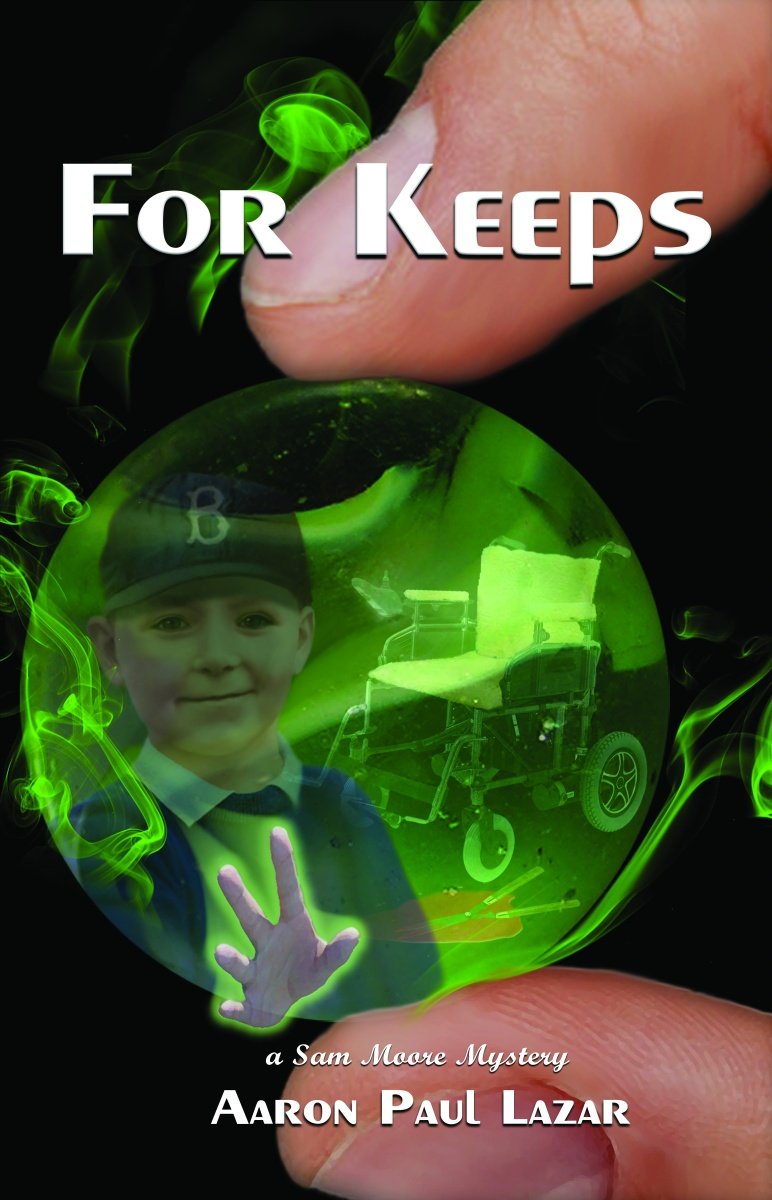
From chapter 11, For Keeps:

“How’d it go, sweetie?”
Sam slumped against the doorframe. “Pretty much like you said it would. But it’s still damned uncomfortable.” a
“Oh, poor baby,” she said, patting the sofa beside her. “Come listen with me. Japanese Melodies, by Camille Saint-Saëns. They’re so pretty.”
Reluctantly, Sam shuffled to the couch and dropped beside Rachel. “Okay. Maybe for a little while.” Sam’s usual tastes ran to Ella Fitzgerald’s crooning and Duke Ellington’s band. But he tried to maintain an open mind as he slid close to her and slipped an arm around her shoulders. She snuggled into him and closed her eyes.
The cello and piano duet invaded the room, soothing and saddening Sam at the same time. The music glided into his heart, plucked at his emotions, and tantalized him. The piece Professor LeGarde analyzed was particularly evocative, with searing melodies that sounded mildly Japanese and Spanish at the same time. Sam imagined a Japanese tea garden with a flamenco dancer poised on an ornate bridge. The next time he saw Gus in Wegmans, he’d have to thank him.
When it was over, Rachel clicked off the radio with the remote and sighed, almost as if she were about to burst into tears. They sat for a few minutes in silence.
He finally broke the spell. “Wow. You were right.”
***
Music is an essential element throughout my three mysteries series. Matter of fact, Professor Gus LeGarde (of the ten-book LeGarde Mystery series) is the chairman of the music department at Conaroga University. He lives for music. He teaches daily. And in many cases, I try to further his development by showing his listening reaction, as well.
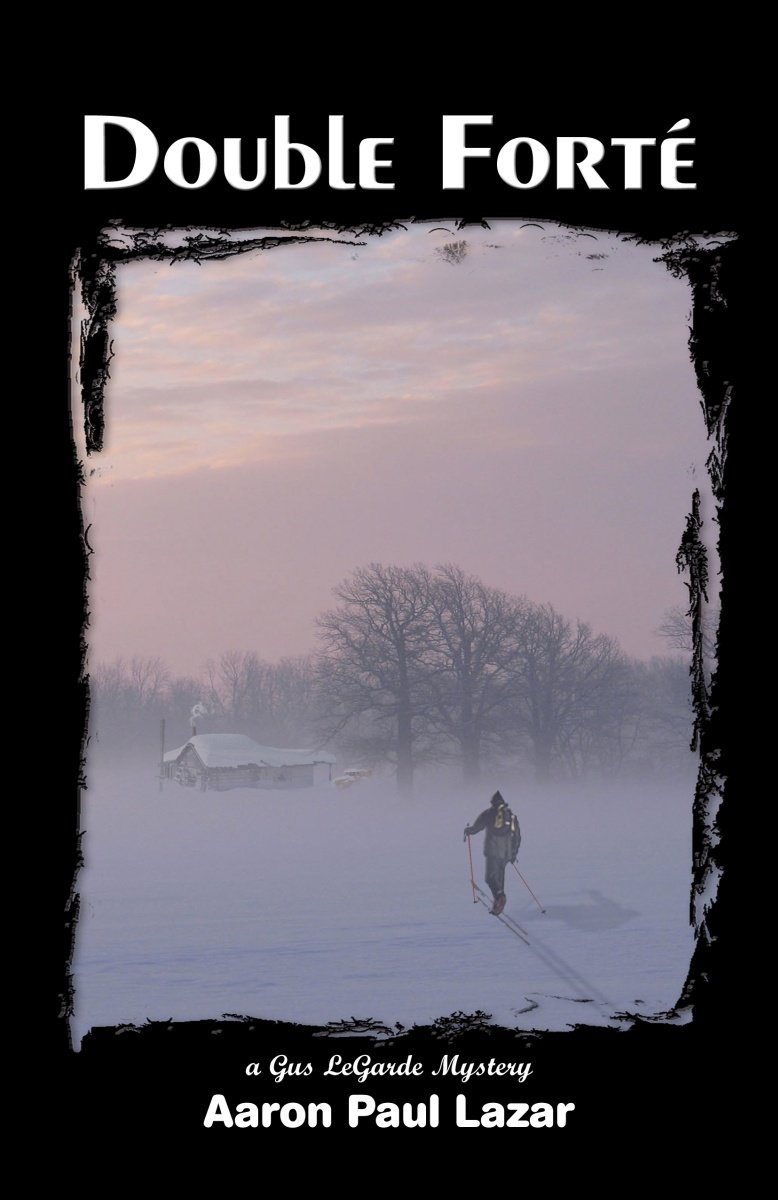
Gus’s first wife, Elsbeth, leapt to her death from the cliffs of The Letchworth Gorge four years before the first book in the series takes place. (Double Forté) One morning, he’s teaching an opera class and happens to be knocked for a loop when he realizes the parallels between the operatic story and his own life. Here’s the end of the scene, where Gus is speaking to a roomful of students, having played arias from Puccini’s Tosca for the past half hour.
***
“The opera ends when Tosca’s enemies approach. Overwhelmed with grief, she runs to the top of the battlement and soars into the air in a dramatic, self-sacrificing leap. Of course,” I paused dramatically and finished with a flourish, “she can be happy only in the afterlife, with her beloved Cavaradossi.”
I pointed the remote at the sound system and clicked the CD to the final aria in Act III. The students listened with wide eyes. The cloying, beautiful melody surged out of the speakers in the finale. From the expressions on their faces, I figured the entire class was imagining Tosca racing up the stairs to leap t to her death. Even Ronny Kuczynski sat with a pensive expression, his eyes cast down.
A feeling of melancholy wafted over me, catching me unaware. It stabbed me with growing pangs of depression. Familiar sorrow migrated into my throat and gripped me—hard.
I’d often related Tosca’s leap to her death with that of my wife, Elsbeth. Although it had been four years now, the pain of the loss still killed me. It felt like yesterday.
Pushing away the thought, I struggled to forget the vision of Elsbeth lying broken and battered at the bottom of the Letchworth Gorge.
She’d been so much like Tosca, with her own diva-like personality.
Exchange the battlement parapet in the opera for the craggy Letchworth Cliffs, and there was the appalling parallel. The vision of Elsbeth returned. I pictured her plunging from the cliffs, her white nightgown flapping around her as she tumbled through the night air.
The music ended, and a final thought hit me. It was true that an awful analogy existed between Tosca and Elsbeth, but there was one huge exception. Tosca leapt toward her love, whereas Elsbeth had left me, very much alive and very alone.
***
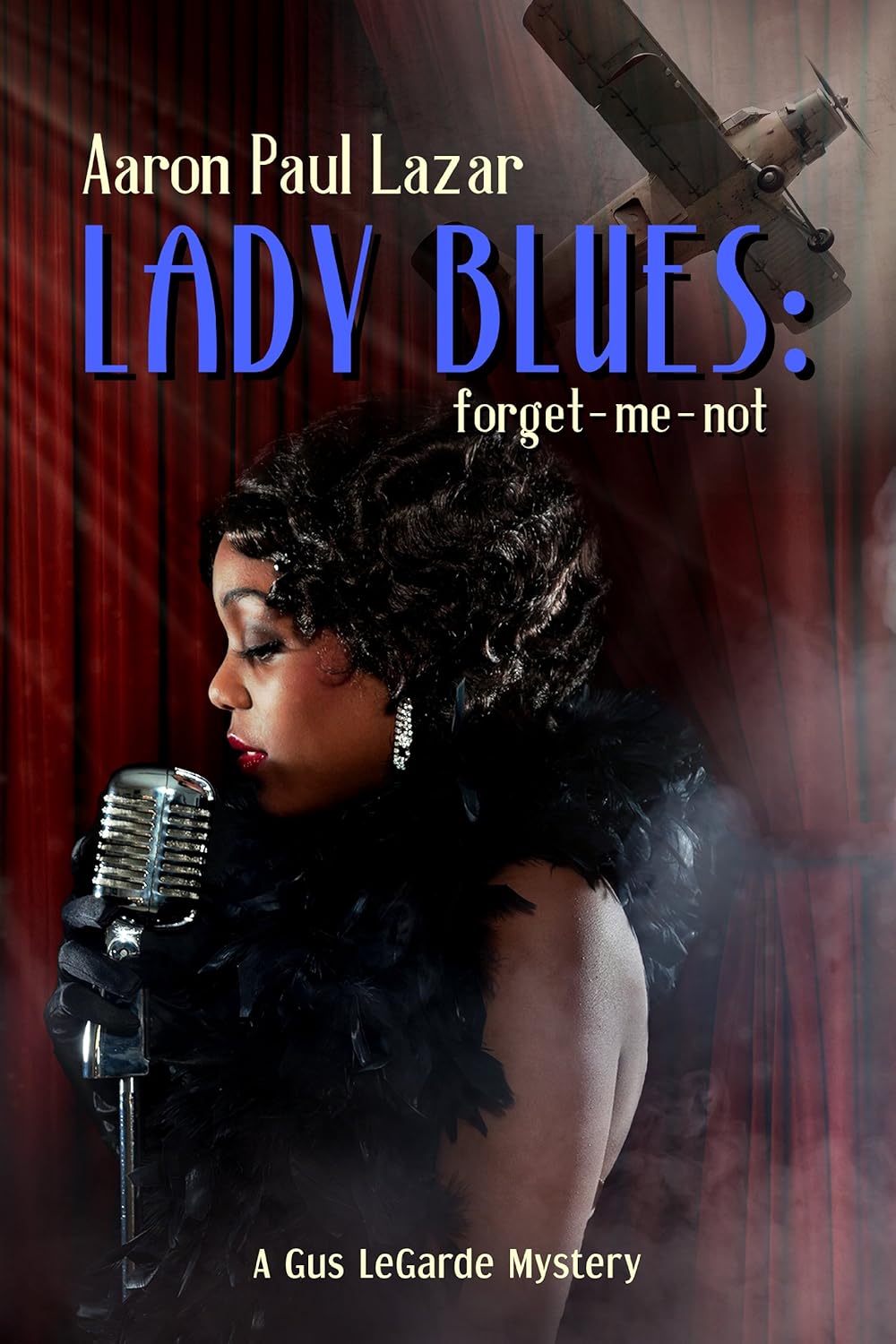
Here’s one last example of how using music in a scene might enhance the character development of a father Lady Blues: forget-me-not)
who’s just realized his teenage daughter had a hidden musical talent, on top of the uncomfortable knowledge that she is growing up too fast…way too fast. (From
***
Shelby nodded, stood up, and let loose, progressively relaxing and making use of smooth portamento passages, light vibrato, and musical sighs. I played from memory, watching as she added facial nuances to match the words.
Maddy tapped her toes on the floor, Joe stayed awake, and even Siegfried stopped to listen in the kitchen doorway, shushing Johnny and the twins.
Chills snaked down my spine.
What a gift she has.
I’d thought maybe musical theater would be her venue, since she’d been interested the previous year in trying out for shows at school. But something had changed in this sixteen-year-old child/woman. Long dark curls framed her delicate heart-shaped face. Her eyes, dark and long-lashed, closed periodically to squeeze every spark of splendor from the notes.
She stood barefoot in faded jeans and a soft yellow sweater, her young lithe arms gesturing to match the words.
Realization hit, and I fumbled the notes.
She isn’t a little girl anymore.
Smooth and engaging, she exuded confidence that scared the hell out of me.
I recovered, but felt unsettled for the rest of the night. We’d already dealt with Shelby’s boyfriends, had been horrified, worried, and traumatized like other parents, but somehow it hadn’t hit me.
Shelby’s a young woman now.
A shudder of fear ran through me. I remembered Freddie’s teenage years with a mixture of joy and horror. But now, did I have the strength to go through it again?
God, help me.
After saying goodnight to everyone, I pushed down the panic and followed Camille and the dogs up to bed.
***

There you have it.

Have you read books which included musical scenes that have affected you in the past? Have they deepened your knowledge of the characters? I’d love to hear your thoughts on this below.
But, before I go, I’d like to thank Stephanie Osborn for having me here today. And as always, it’s a great pleasure to talk about writing and books with all of you!

~~~

As always, lovely to have you, Aaron my friend!

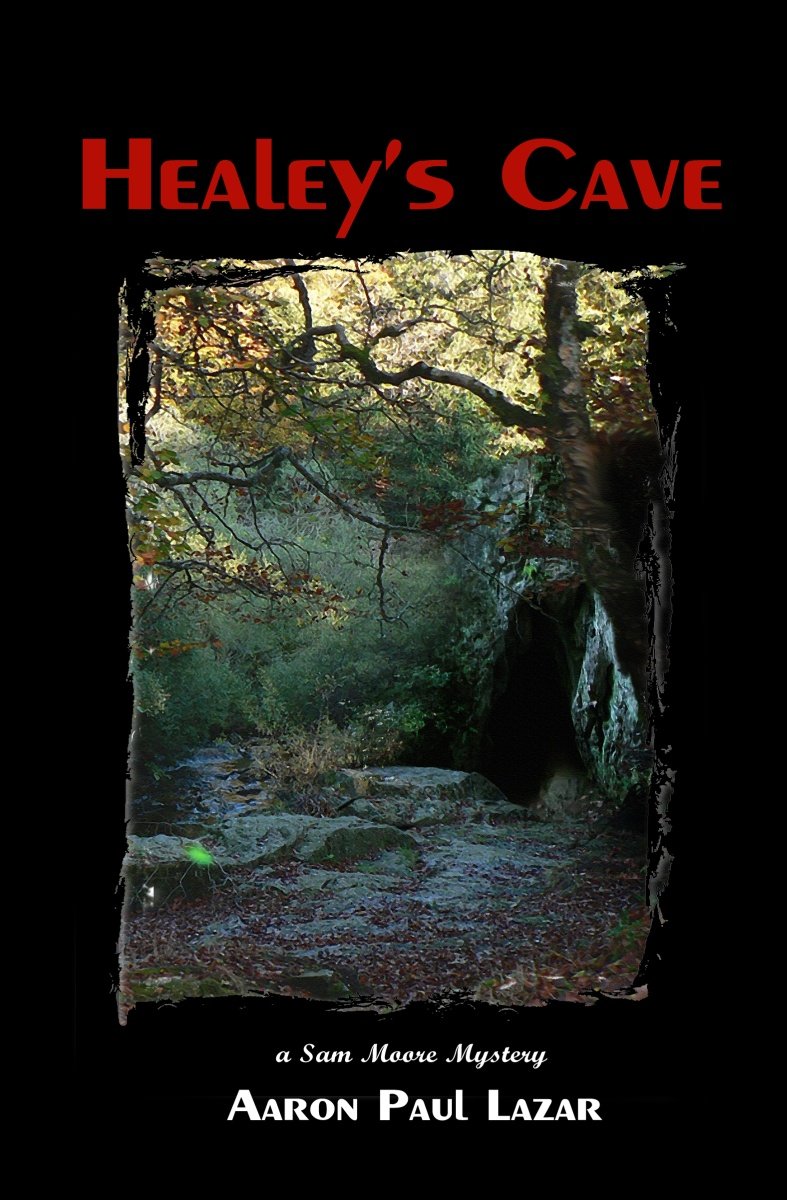
Book 1 of the Sam Moore series is Healey's Cave, if you want to start at the beginning.

Also, Aaron has two new books out: Devil's Lake, a standalone romantic thriller; and The Liar's Gallery, the next book in the Gus LeGarde series. Buy them!

-Stephanie Osborn
http://www.stephanie-osborn.com

Wednesday, July 30, 2014

Elements of Modern Storytellilng: Character Development, A Guest Blog, Part 1 by Aaron Paul Lazar

By Stephanie Osborn
http://www.stephanie-osborn.com

Today we have a completely different take on developing characters, and that is how their tastes in the arts helps to form and shape those characters. My friend Aaron Lazar will be talking about that, this week and next week. Let's get right to it, because I'm realizing that this is a really good technique, and one which I think I've used myself without being fully aware of it...

~~~


Aaron:

Does Music Move Your Characters Forward?
Part 1
[copyright Aaron Paul Lazar, July 9, 2014]
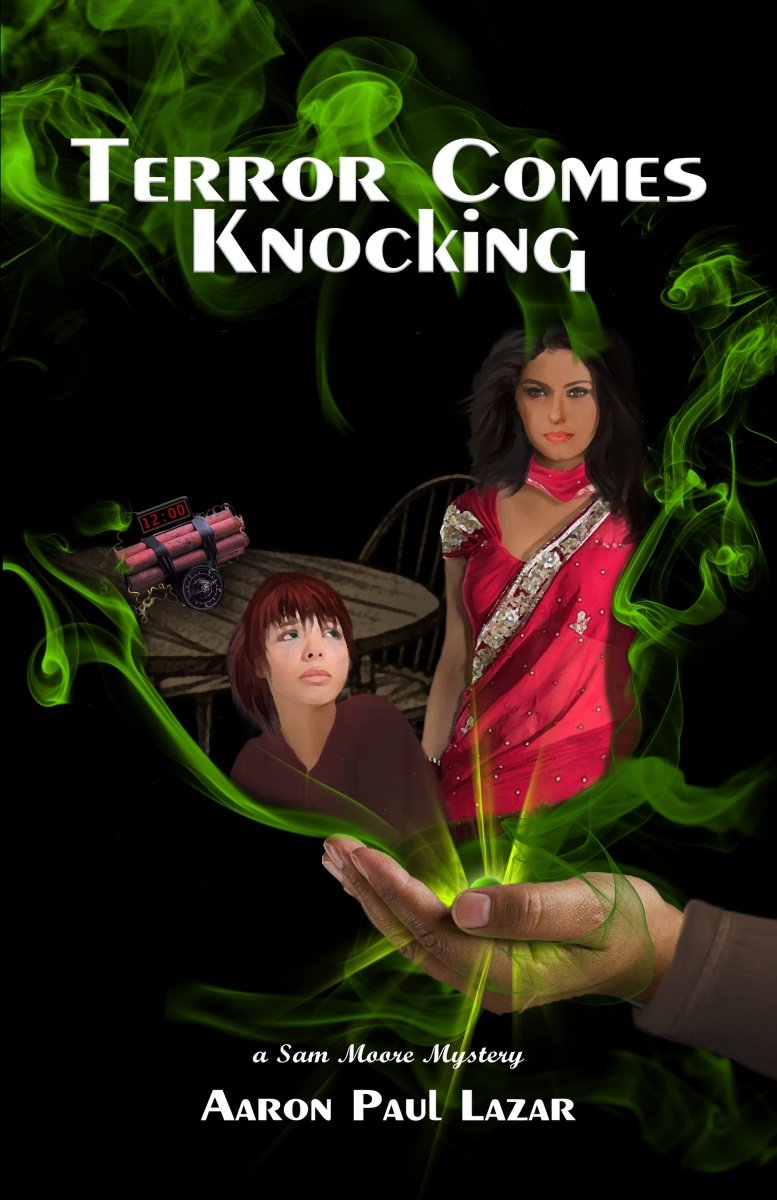
Yesterday I was listening to audiobook tracks from my second Sam Moore Mystery, Terror Comes Knocking, recorded by accomplished actor/narrator, Mr. Robert King Ross. Mr. Ross does a wonderful job representing Sam Moore in this book, and also has a great knack for dialog. In this scene, Sam and Rachel were listening to music together, and it brought them closer at a time of life when most sensuous moments had faded to memories because of Rachel Moore’s deteriorating condition with multiple sclerosis. The scene is a poignant moment for both characters, and it made me think about how music can be used to develop characters’ personalities, as well as emphasizing their complex backstories without dumping information on the reader. (Listen to sample here.)
As I drove along the highway headed in the direction of home, it struck me that writing about a character listening to a singer, or playing a piano, or being engulfed in an opera can be quite challenging. I love music (who doesn't?) and try hard to describe my own reactions to listening during some of these scenes. I also find that it can be an especially nice spot to insert a little poetry, for those of us who try not to be too flowery within the bulk of our prose, but who love describing flowers dripping down a stone wall or the heady scent of essential oils wafting through the air.
In chapter twenty of Terror Comes Knocking, Sam's wife Rachel just received surgery for two dislocated and fractured shoulders. (That really happened to my wife, Dale, a few years back...long story!) This segment describes their ride home from the hospital.

Let me know what you think of the musical aspect of this partial scene - and see if you can tell which aspects of my character(s) I intended to emphasize. Sam reveals a lot about his marriage and life with inner thoughts, and I find passages like this help to clarify the “character of ones characters.”
***
From Chapter 20, Terror Comes Knocking

Rachel closed her eyes. “How about some music? I just want to rest and listen to something nice.”
Sam nodded and leaned forward to switch on the CD player. Ella Fitzgerald was in the number one slot of his six-CD device, singing from "The Best of the Songbooks." He selected track three.
Ella’s velvet cream voice prowled over him, enveloping him with its sensual tones. He went limp inside and let the notes glissade, massaging his soul in sugary splendor.
He and Rachel had danced to these tunes in their youth. They’d seen Ella several times as teenagers. In ‘62, they’d seen her twice. His collection was extensive. He owned every song ever recorded by the jazz queen, including early works from her first recordings. The music trickled over him like soft rain falling on petals…molasses poured over pancakes. It reminded him of days gone by, particularly nights gone by. With Rachel. In their most intimate moments.
She remembered, too. She opened her eyes for a minute and slid a sideways glance at her husband. “You’re remembering, aren’t you, Sammy?”
Sam grinned, slow and lazy. He hadn’t felt like this in a long time. “Yeah… What times we had, hey, darlin’?” He dropped his hand from the wheel and touched her knee. The hospital gown had ridden up mid-thigh.
She laughed out loud. “Now don’t get any ideas, you devil.”
Sam shot a glance at her. The bittersweet knowledge of their life together now hit him hard. They hadn’t made love in years, probably wouldn’t, either. He had to make do with memories. Wonderful, passionate, amazing memories. He saw her in that light now, with her long dark hair rippling over her creamy white shoulders, her dark eyes smoldering, her fluttery fingers touching him in that way…
“Sorry, Rach. Can’t help it. You still drive me wild.”
Her eyes puddled, full of the stark knowledge that Sam accepted with equanimity. He exchanged smiles with her, patting her again. “We were blessed, weren’t we?”
She nodded. He plucked a Kleenex out of the dispenser and leaned over to dab her cheeks.
***

What do you think? Does listening to that music almost transport you back to Sam’s memories, too?

~~~

Part Two comes next week, with more cool excerpts from Aaron's books to illustrate how he develops his characters. Stay tuned!

[Book 1 of the Sam Moore series is Healey's Cave, if you want to start at the beginning.

Also, Aaron has two new books out: Devil's Lake, a standalone romantic thriller; and The Liar's Gallery, the next book in the Gus LeGarde series. Buy them!]

-Stephanie Osborn
http://www.stephanie-osborn.com

Wednesday, July 3, 2013

Guest Post: Bringing Back the Dead

And the last guest post for June by Aaron Paul Lazar rather follows on from last week's. I think it's kind of fun to look at these things, at how writers manipulate this whole other universe...and sometimes I wonder if, as in my Displaced Detective series, that universe really exists someplace...and what the effects of our manipulations might really be...

-Stephanie Osborn
http://www.stephanie-osborn.com
~~~
Bringing Back the Dead
by Aaron Paul Lazar


We writers don't often get to resurrect our dead.  

For years I’ve regretted murdering one particularly sweet character early in my LeGarde Mystery series, specifically in the second book, Upstaged, where a psychopath lurks backstage in the high school musical. The victim: Ethel Fox, who loves dogs, is a high school janitor, and volunteers to help with the drama club’s productions. Ethel also happens to have Down Syndrome. Looking back now, I realize I probably cast her as a victim to rile up my readers with righteous anger, and to make the villain scream “evil”. 

Now, five years later, I want a do-over. 

My cardinal rules include no killing of main characters—after all, these folks carry the series through its ten books. I’ll never kill Gus or Camille, or Siegfried, even if you might worry that they’re dead in some books[1] (wink). But the featured characters, who change from book to book, are always fair game. 

When my publisher, Lida Quillen at Twilight Times Books, expressed interest in re-releasing my first two books[2] along with the rest of the series as the “author’s preferred editions,” I was overjoyed. Now I could repair some of those newbie-writer awkward phrases, get rid of the excess adverbs and adjectives, and tidy up the prose. Besides, after writing fifteen books (I have three mystery series now), my skills have improved. It’s only natural to look back at one’s first books and grimace. So, after securing rights from the first publisher, I signed the new contracts and started the rewrites.

I didn’t change much in Double Forté, except to tidy up the prose, add a bit more spice to a few scenes, and delete a bunch of excess words. 

But when I started to polish Upstaged, I remembered an embarrassing and awkward experience I had last year, and was consumed with the idea of tweaking the plot. 

While working at a facility for physically and intellectually challenged adults who love music, art, writing, and theater, my daughter Melanie invited me in to help during their summer festival. I arrived feeling quite virtuous, since I took a vacation day to volunteer, but instead of “helping” the folks there, I spent the day being humbled, time after time. The individuals radiated joy, and were delirious with excitement because they were about to put on a musical show for their visitors. Family and friends crowded the facility, and although I saw evidence of serious physical and intellectual “disabilities,” I was convinced these lovely people did not in any sense of the word feel disabled on that day. 

They danced and sang in the hallways, held hands and giggled, painted gorgeous pictures from wheelchairs (some were displayed in local art shows), and delighted in the costumes in which they’d been dressed for the celebration. 

While I snapped pictures for their scrapbooks, I fell in love with the people and teachers, was suitably humbled, and realized that after eight hours of fun, I had received much more than I’d given. A few days later, I donated Upstaged to one of the higher functioning members of the writing class, knowing that she loved musicals.

So, a year passed, and the writing teacher asked me if I’d come in and give a talk to her students who loved books and writing. Thrilled, I arranged the date. We had a blast, and talked for almost two hours. They asked great questions, and I delighted in their company. It was after the class while I was donating more books that I suddenly remembered I’d killed off a character with Down Syndrome in Upstaged

What had I been thinking? Why did I donate the very book where I let the villain kill a character who represents so many people at this arts center? Was I insane? To be honest, it had been so long since I’d written the book, I really hadn’t remembered about Ethel, but when I did, I kicked myself. Repeatedly.

It was this experience that made me bring Ethel back to life. Not only did I prevent her murder in a way that didn’t goof up the original plot, but I gave her a cuter name. What kind of a name is Ethel for a sweet, helpful, loving lady? Her new name is Cindi. I think it fits her. Don’t you?

The Lord keeps me humble. It’s a good thing. There’s nothing worse than a big-headed fool. But frankly, he doesn’t have to work very hard at it. I give him lots of help.

The newest book in the LeGarde Mystery series, Don’t Let the Wind Catch You, #6, has just been released. It’s stands alone like all of the other books in the series and can be read in any order. I try to write all my series like this so folks can pick up any book at any time and enjoy it. Don’t Let the Wind Catch You is a sequel to the prequel of Double Forté (Tremolo: cry of the loon was the prequel.) 

I seriously hope there are no urges ten years from now to get another “do-over” with this book, because that cycle of self-doubt and the obsessive need to perfect can be exhausting. I hereby declare that I am happy with this story and will not come back in years to come to nitpick it to death. There. I said it. Now I just have to stick to my promise (grin).

[1] Mazurka, (2009 Twilight Times Books)
[2] Double Forté (2005), Upstaged (2006)
~~~

I think that all writers, at some point, experience a desire for a "do-over." Sometimes we get it, and sometimes we don't. And sometimes, I think, it's better that the book is taken out of our hands at a certain point! I know that I have an unquenchable tendency to "tweak" repeatedly, and will continue to do so no matter how good the book may already be. These tweaks, if not reined in, can actually spoil a perfectly good book.
So I am, so far, thankful that I have NOT had an opportunity for a "do-over"!

-Stephanie Osborn
http://www.stephanie-osborn.com